


Sustainability & Circularity
The European ceramic industry is a global leader in production and innovation. An energy-intensive industry, they face substantial climate-related challenges, while simultaneously providing other industries with products that contribute to energy and CO2 reduction. Against this background, the European Climate Act aims to make Europe climate neutral by 2050, with an interim milestone of a reduction of greenhouse gas emissions by 2030 of at least 55% in comparison with 1990. Achieving these objectives requires participation of the ceramic industry in its entirety: from technological renewal to production process sustainability.
At Steenbakkerij Vande Moortel, we take our responsibility seriously, and we are actively committed to the transition to a low-carbon future. Our approach is based on four strategic pillars:
Sustainable use of raw materials, to protect natural capital.
Circularity, in light of responsible production.
Product innovation, leading to chain optimisation.

Greening the production process, with the aim of reducing CO2 emissions.
Discover which concrete initiatives we have already introduced and how we continue to innovate in order to play our part in achieving the sector’s climate targets, or download the full sustainability report here.

Preserving Natural Capital through Sustainable Use of Raw Materials
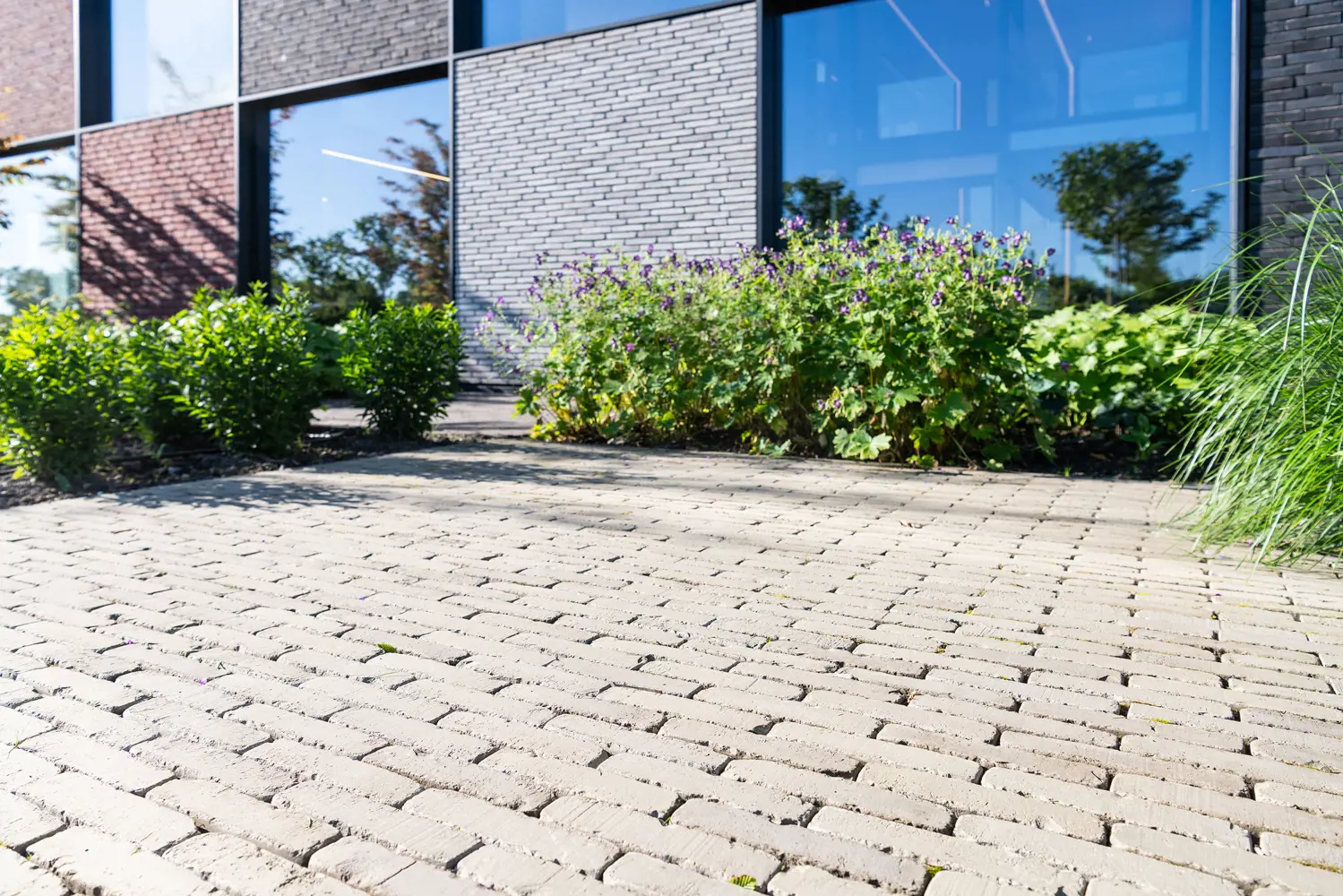
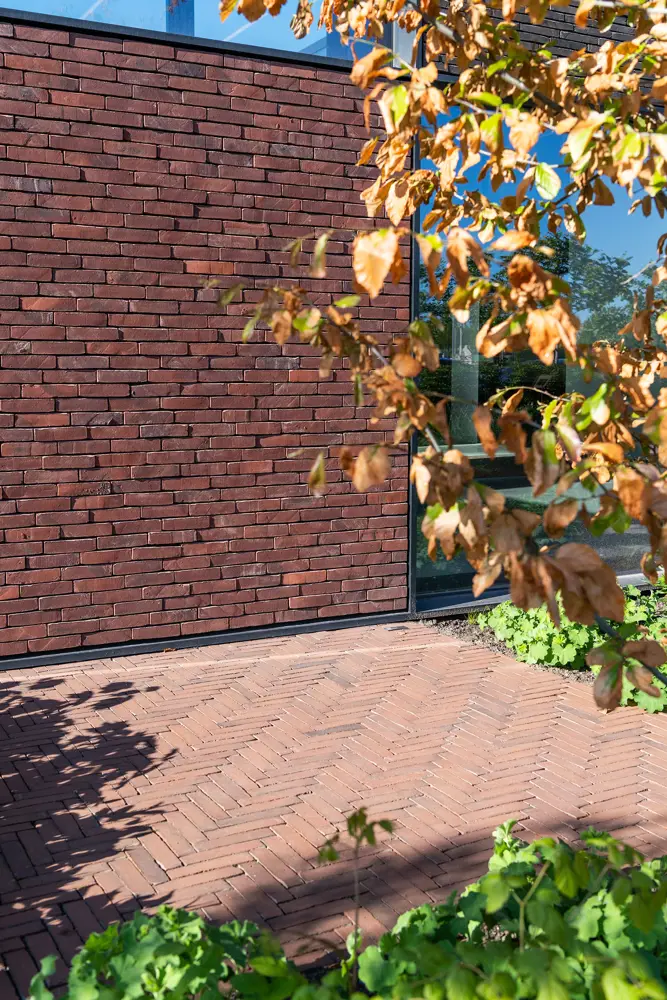
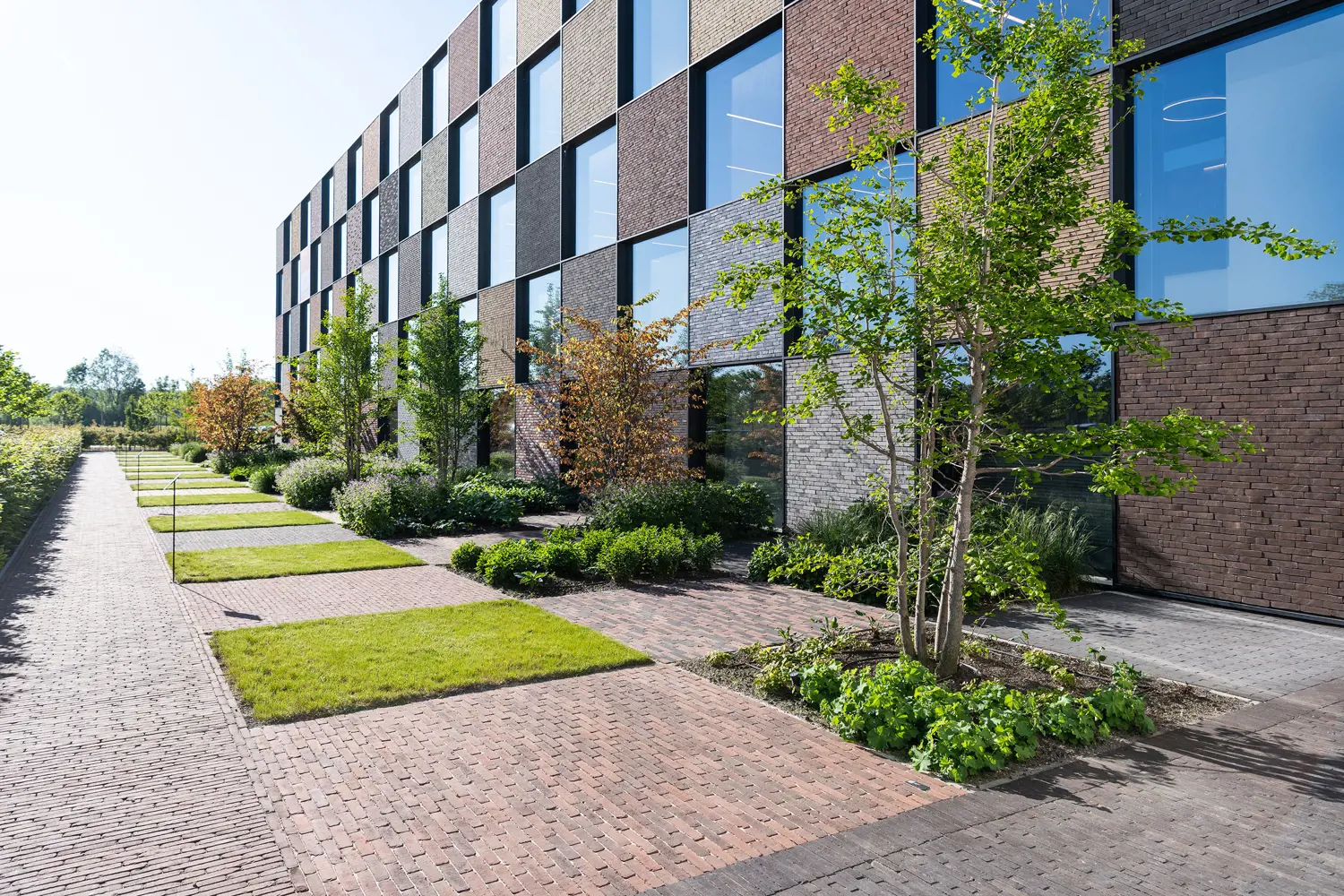
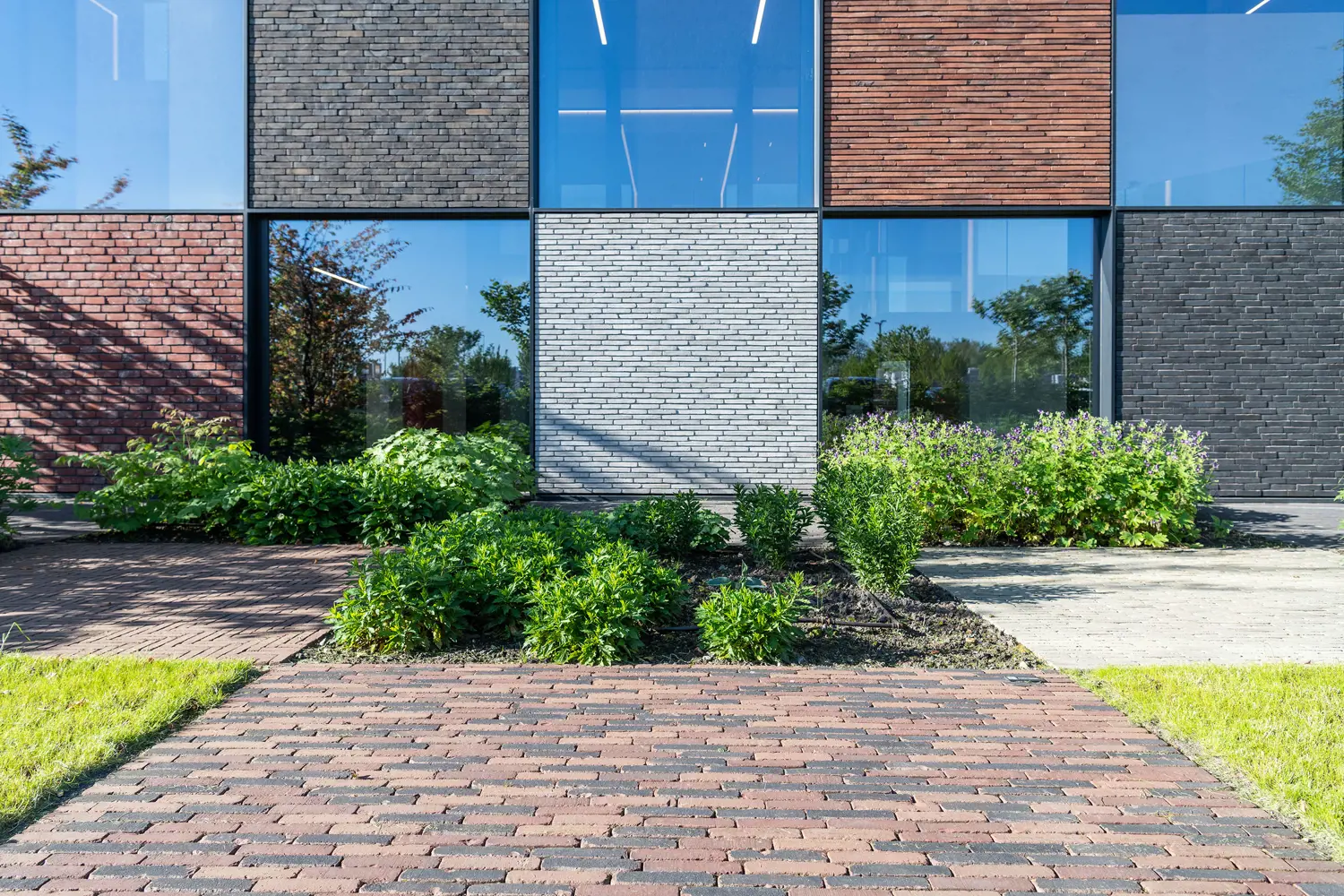
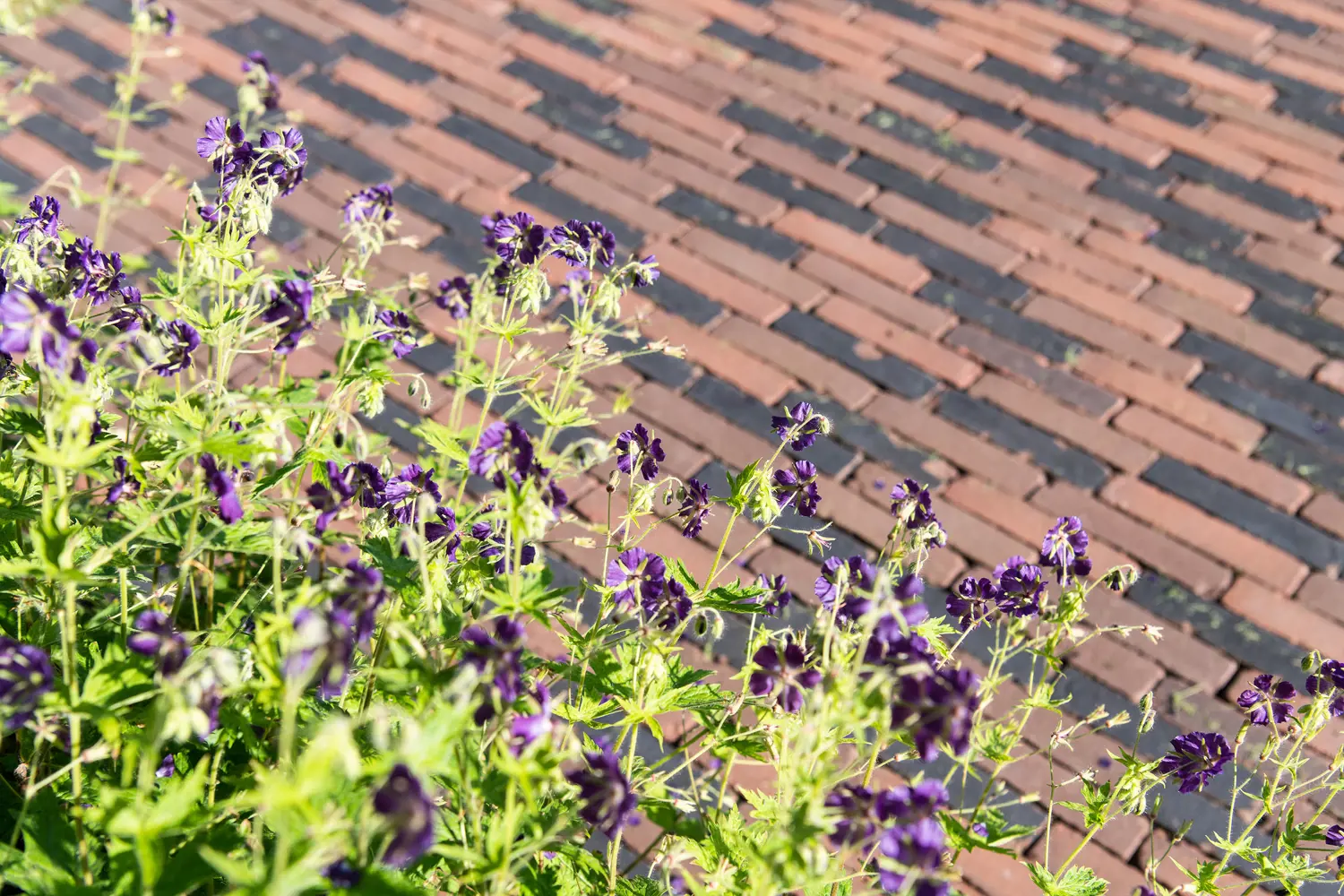
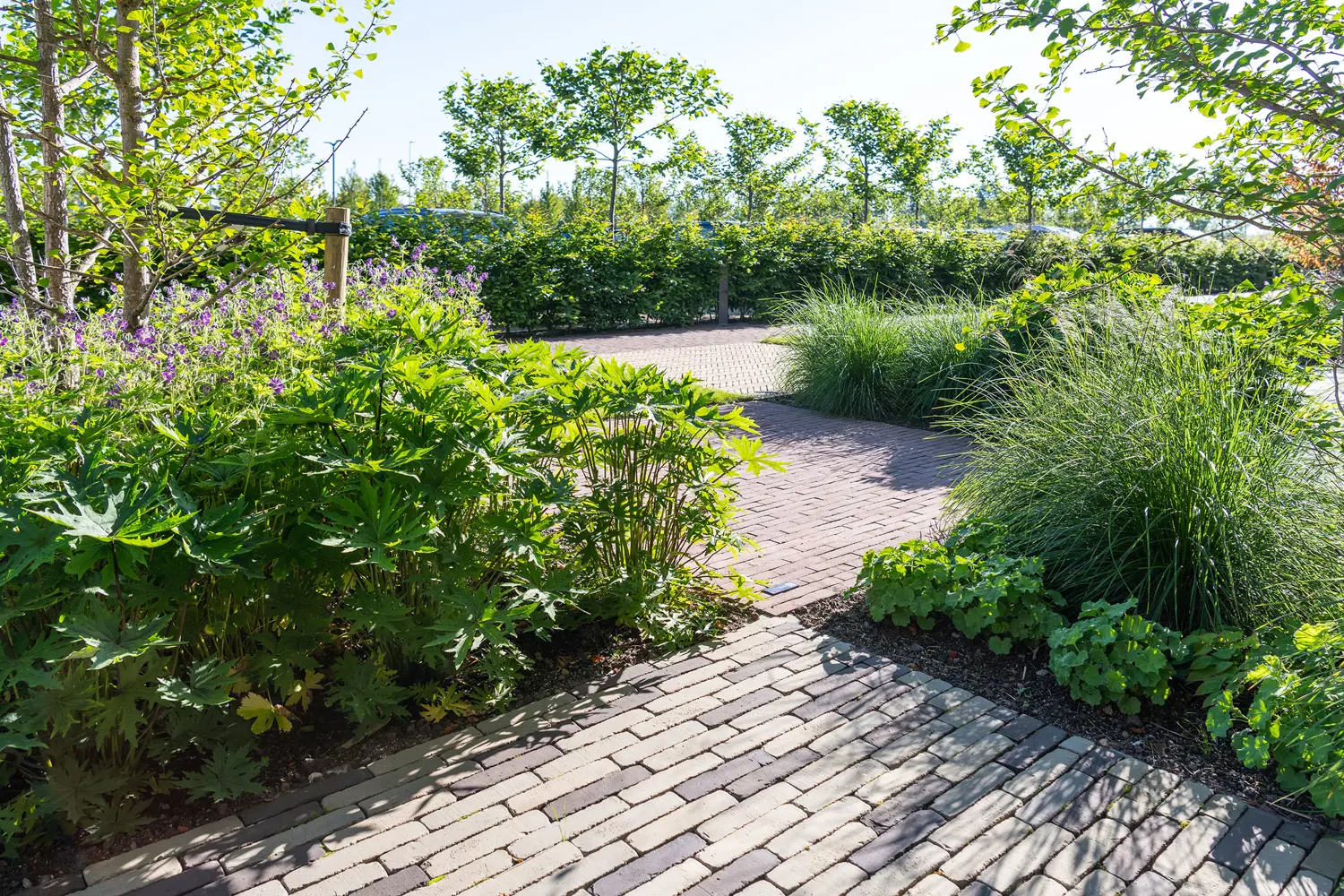
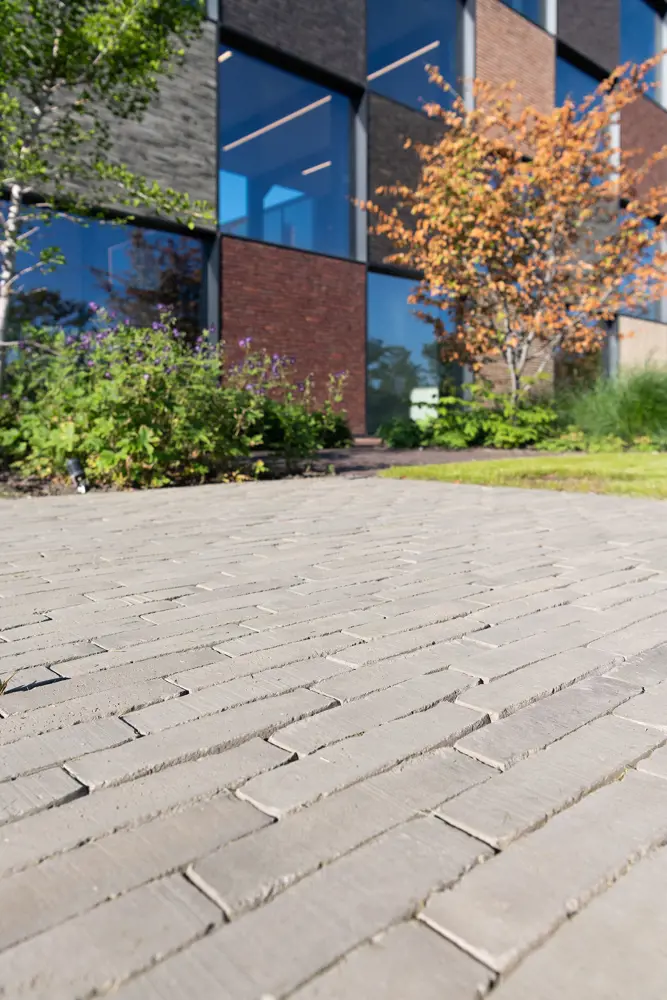
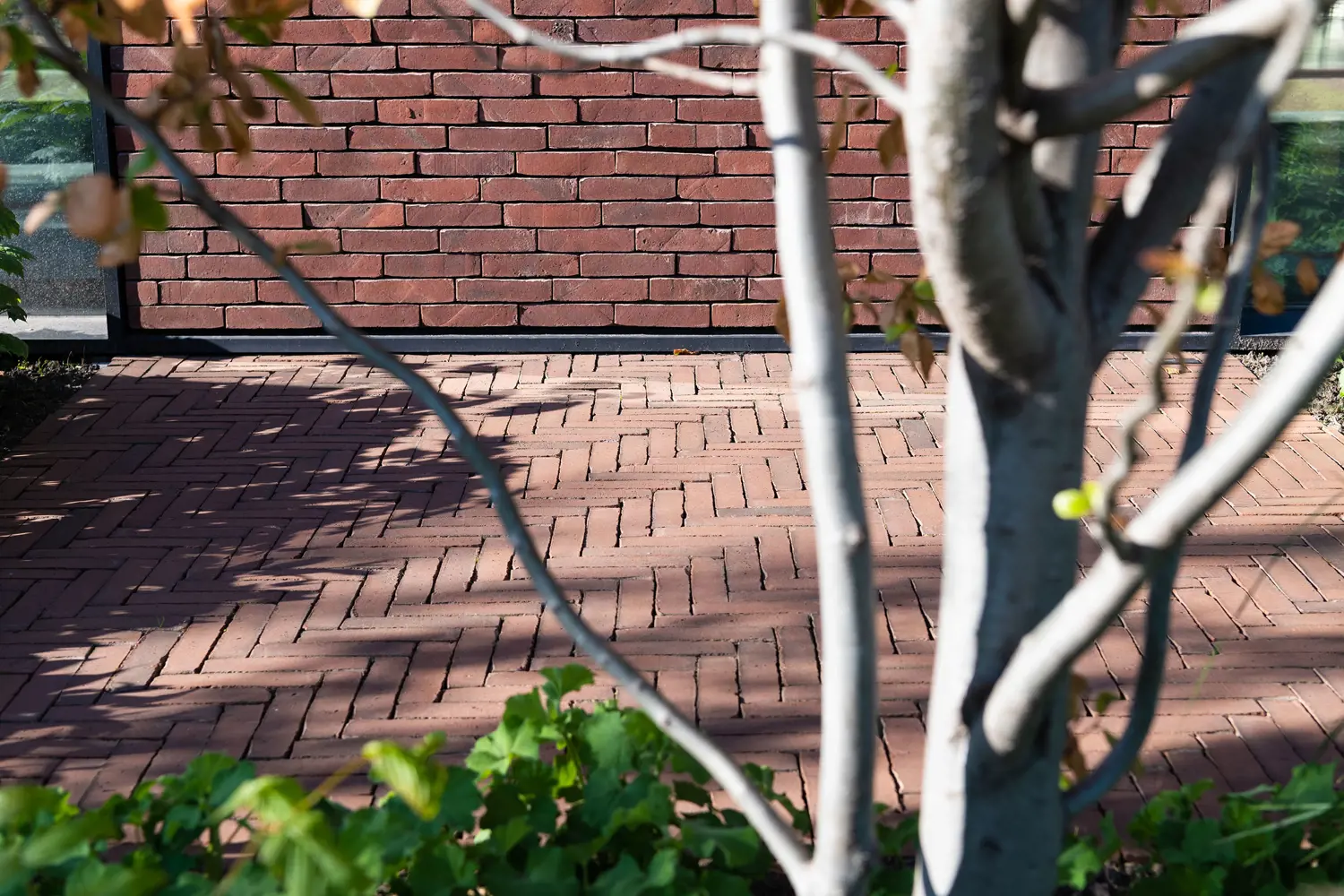
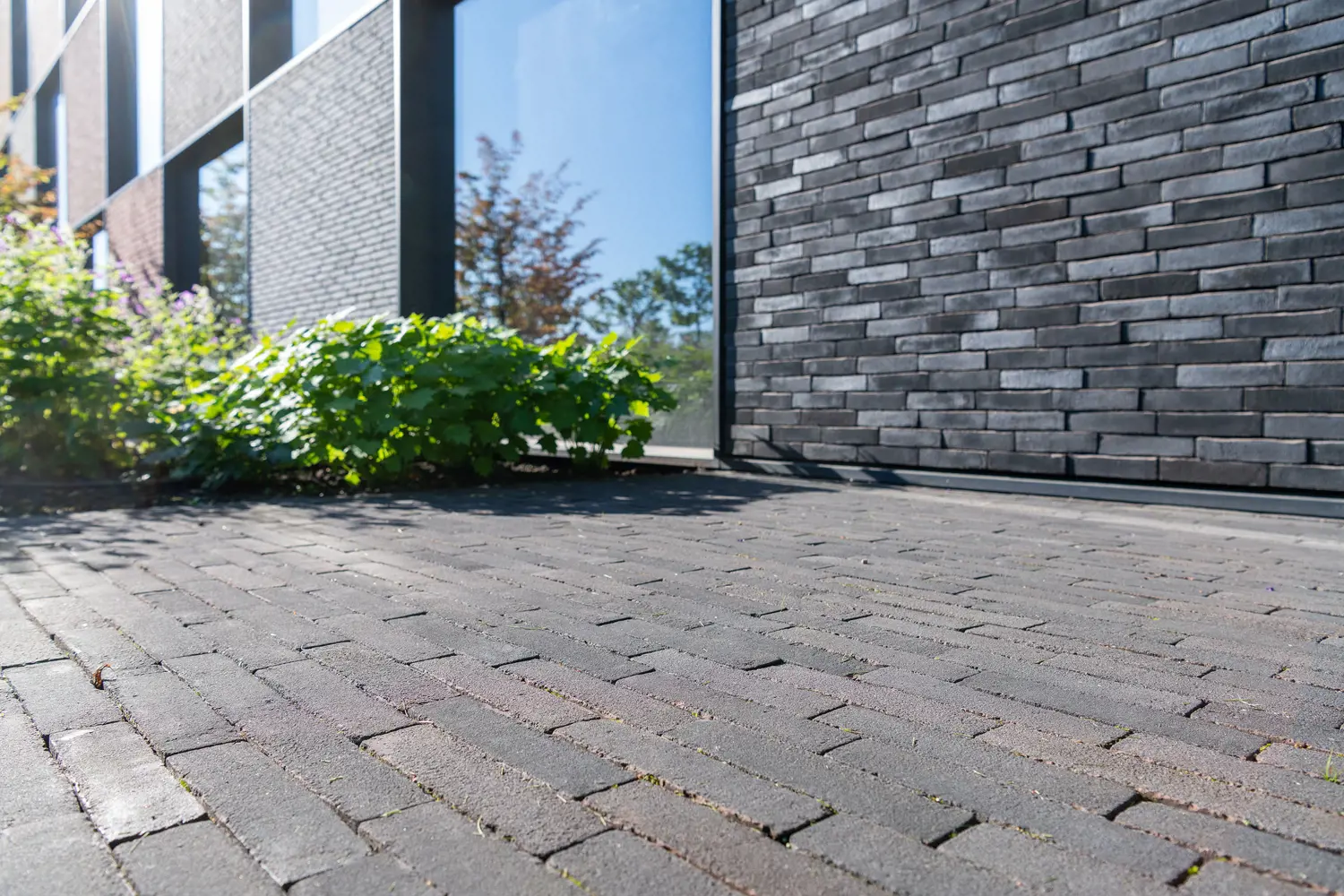
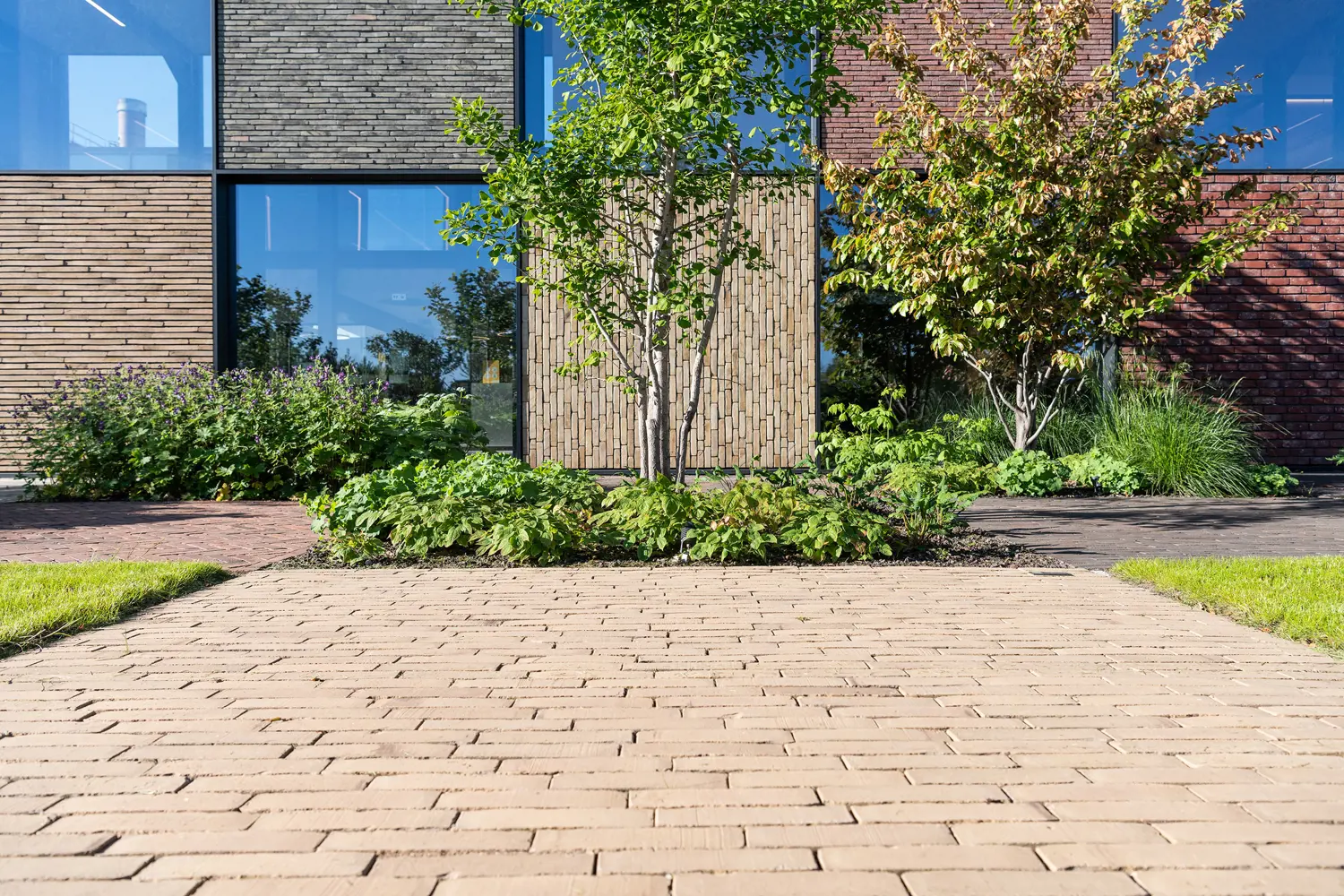
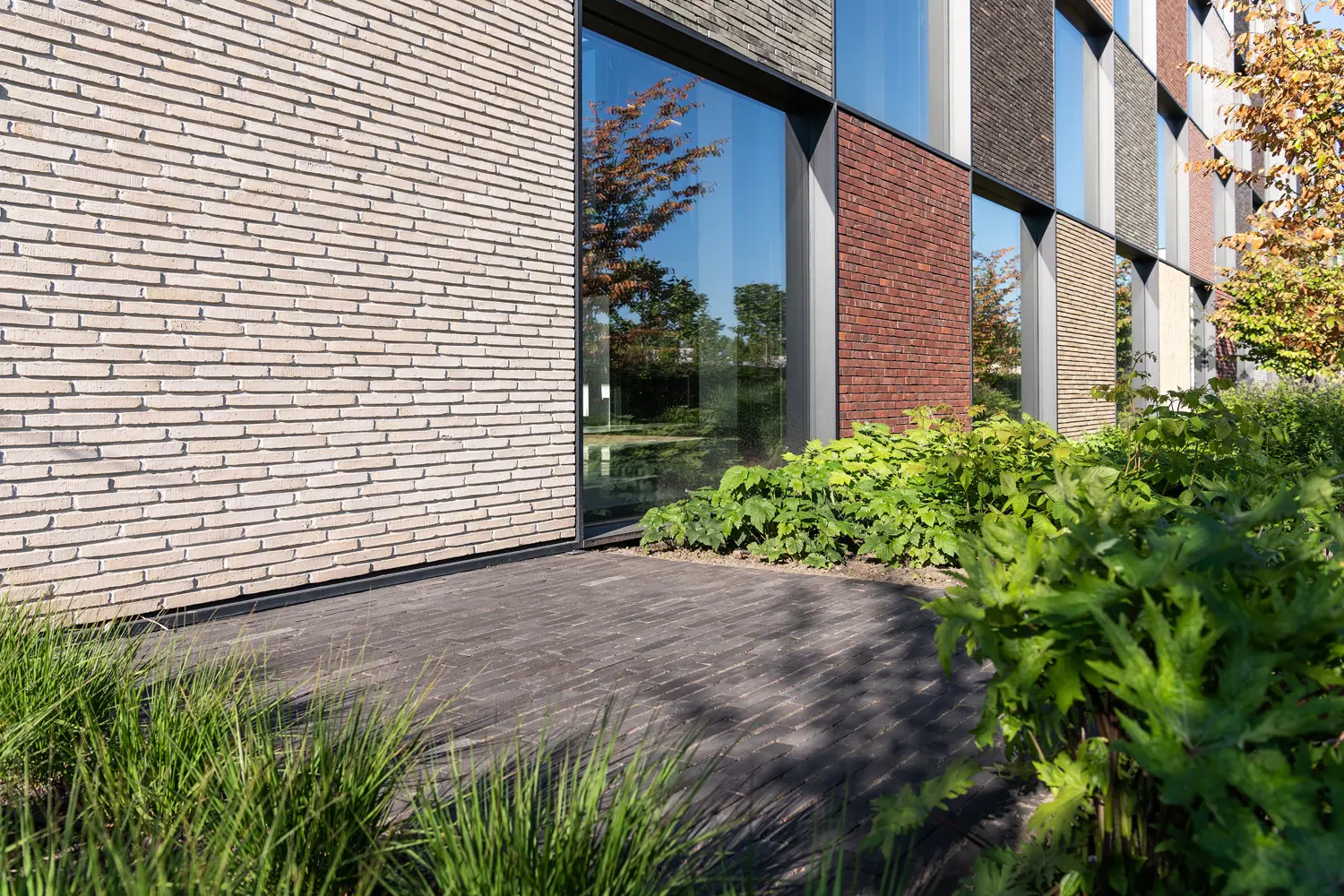
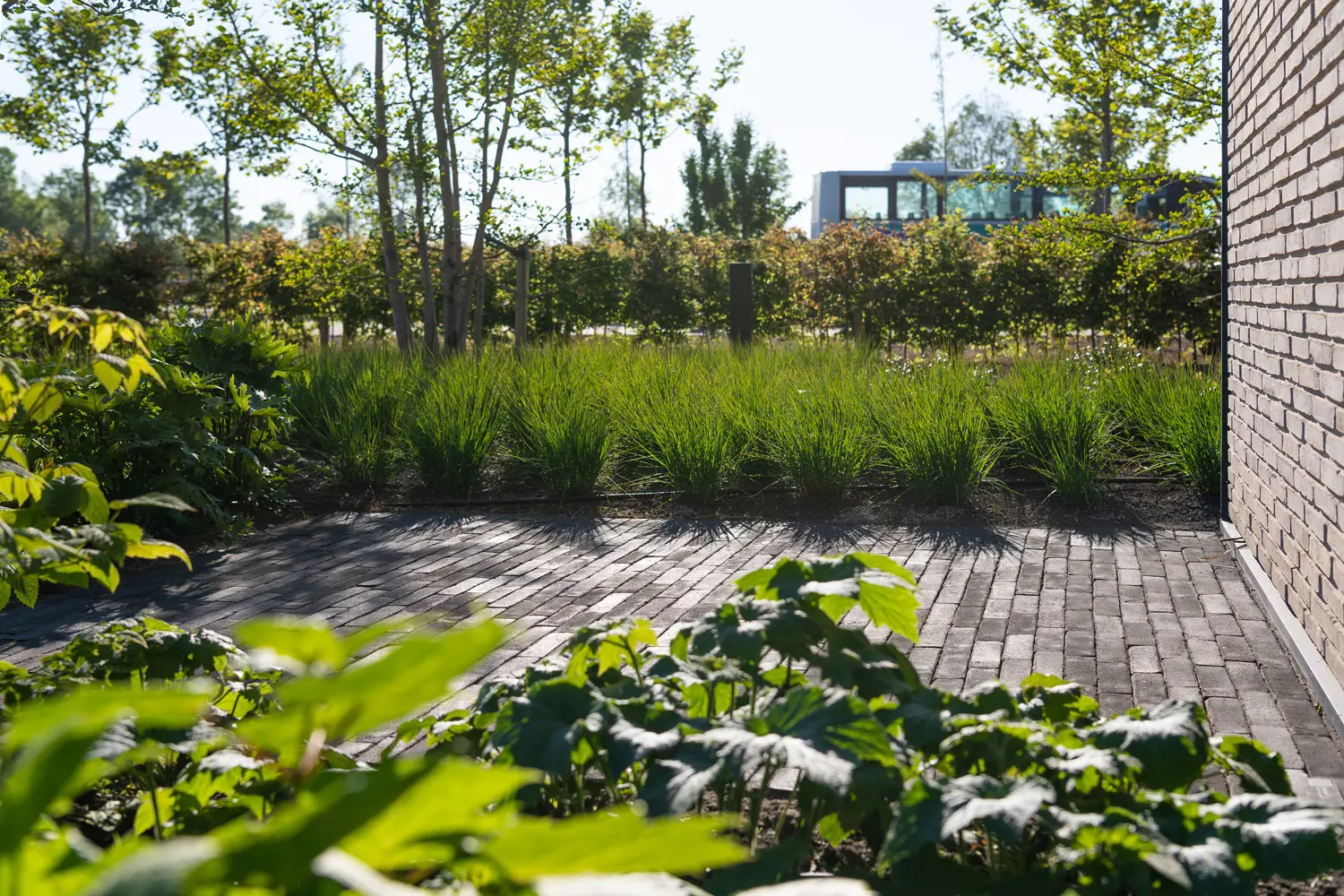
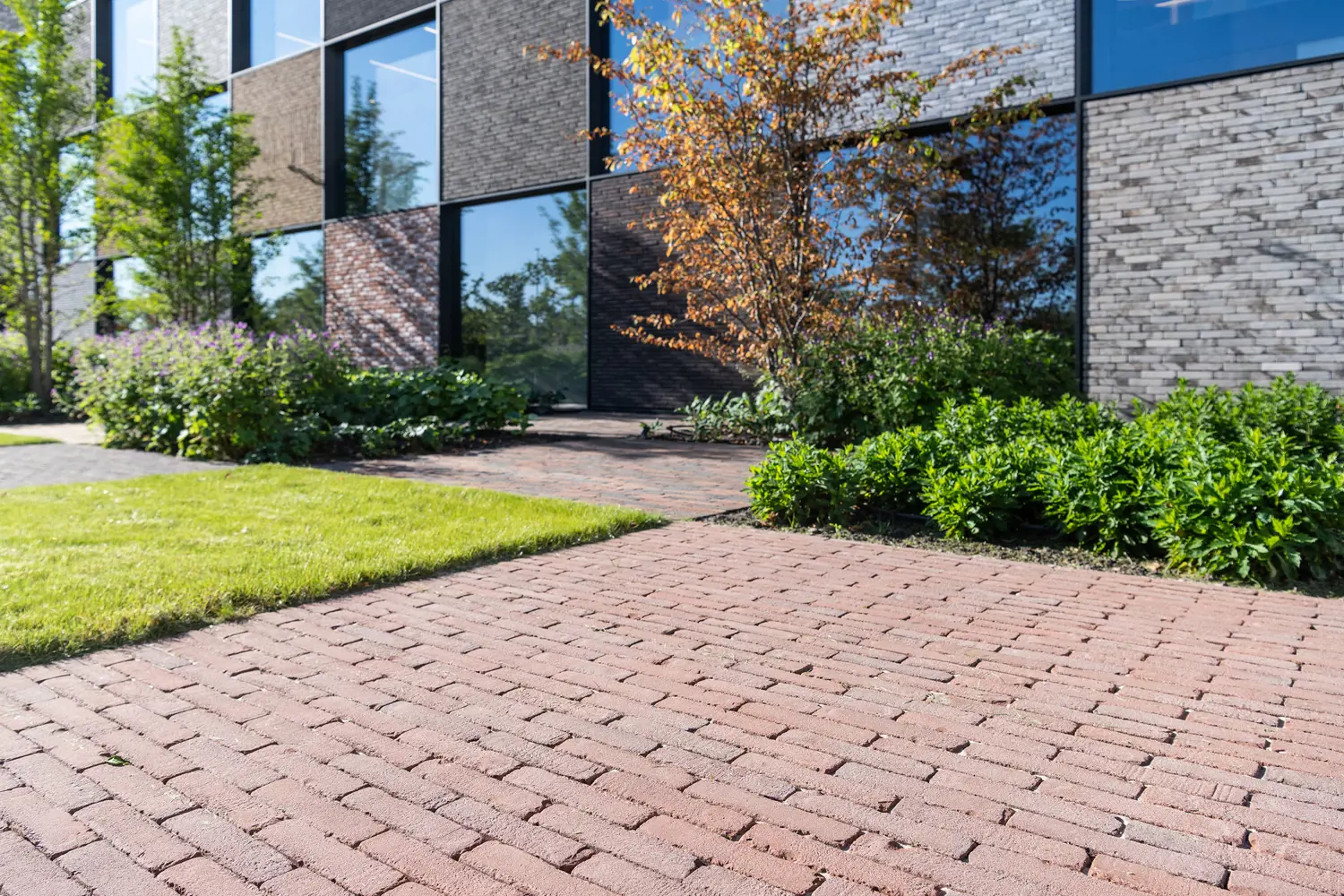
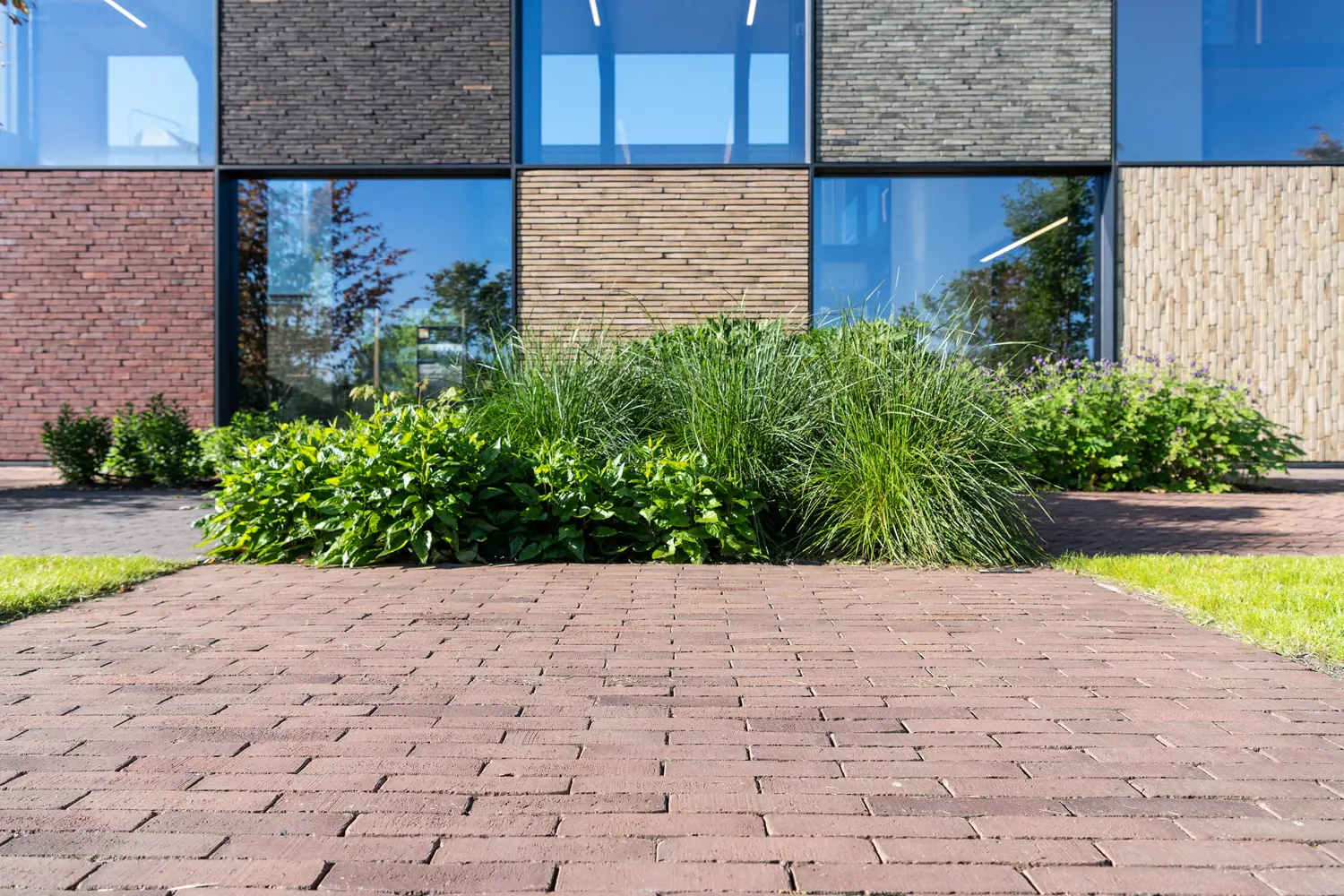
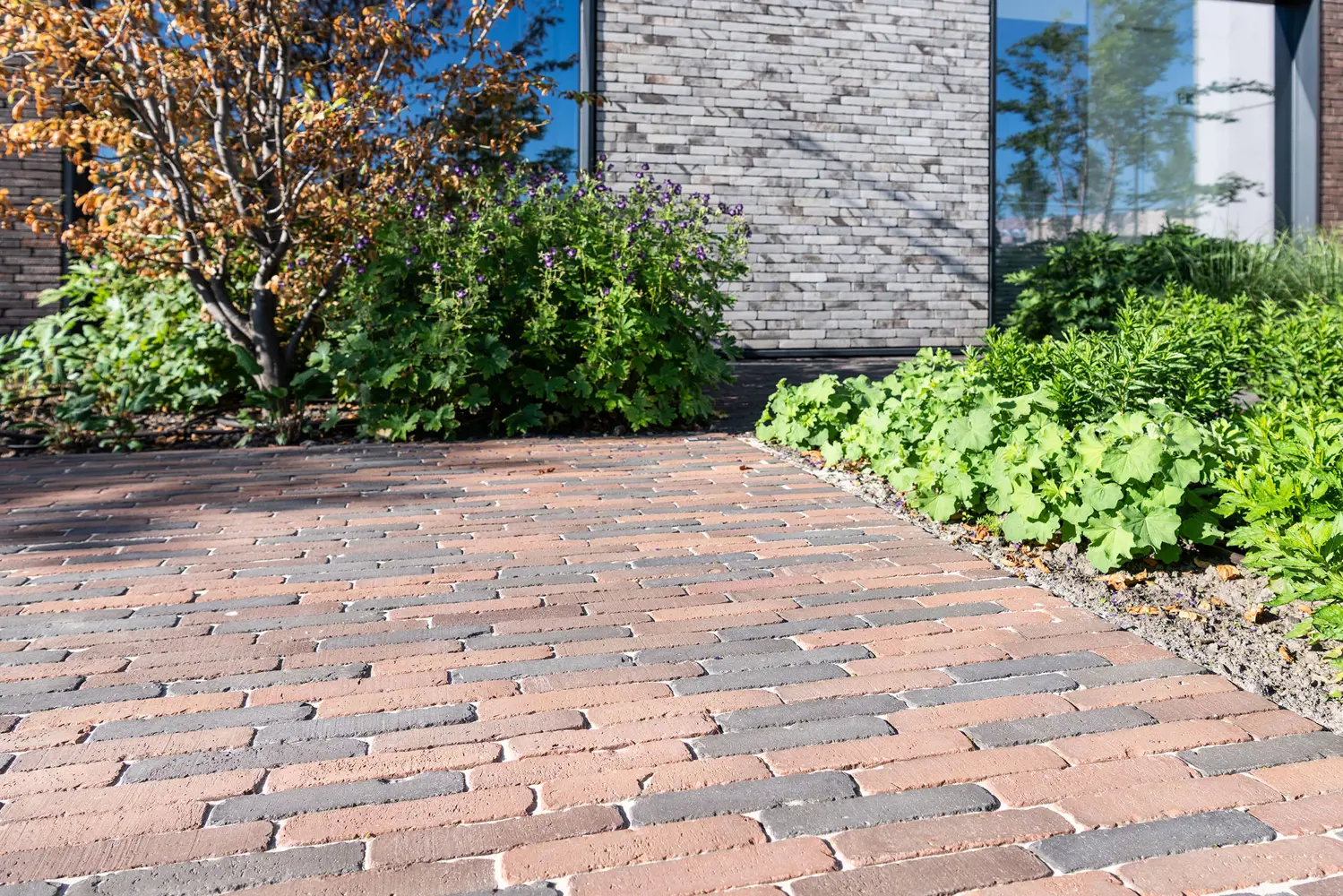
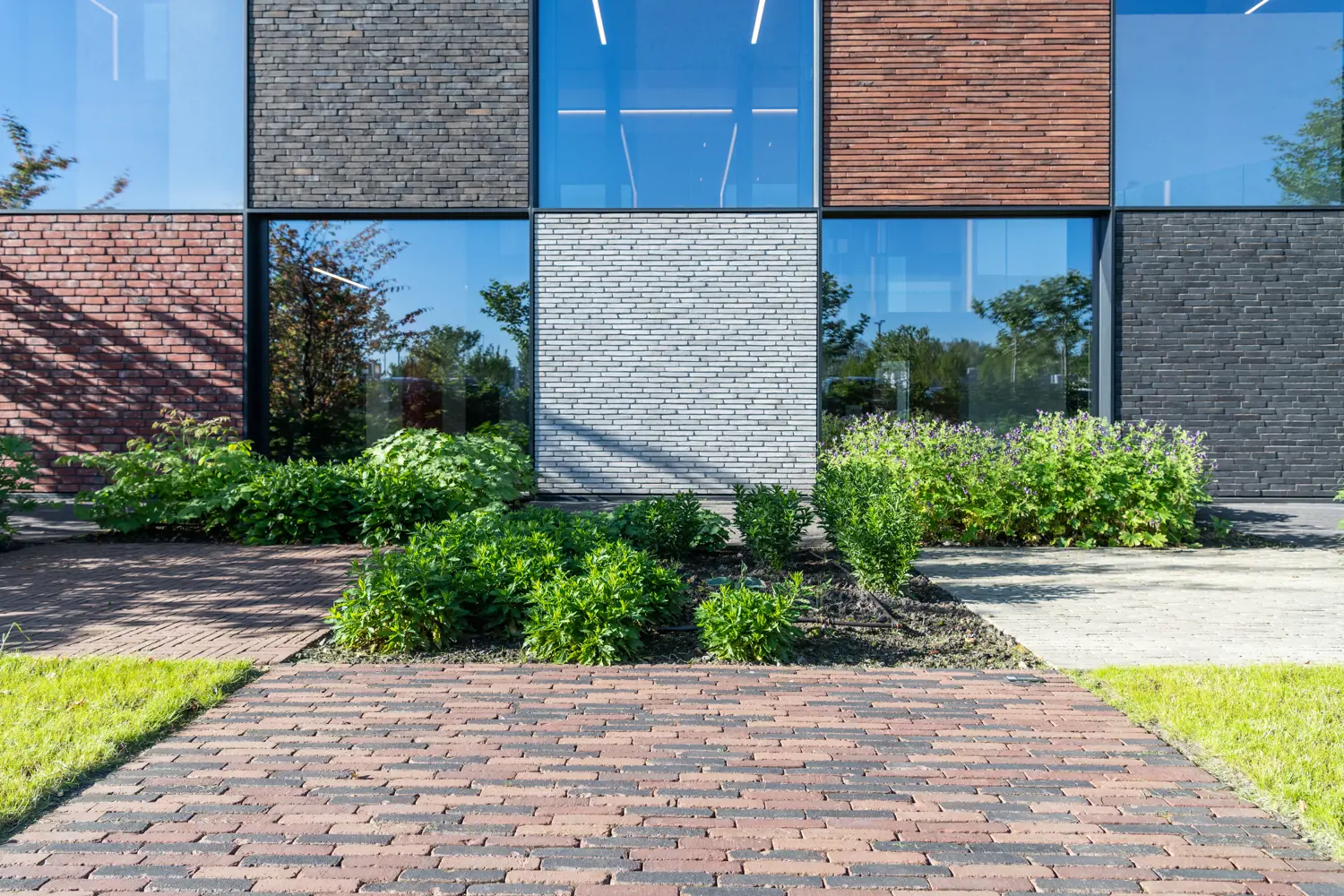
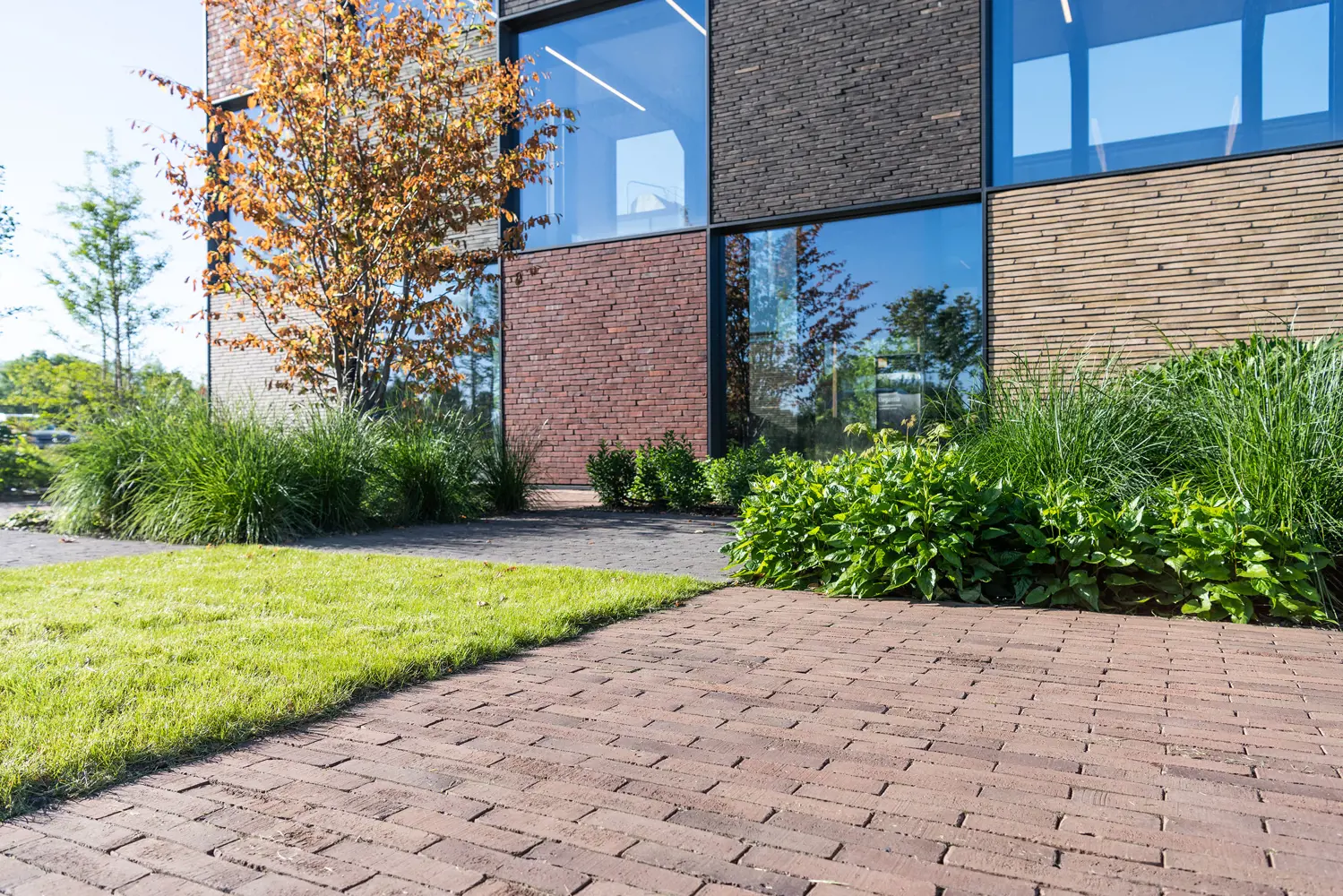
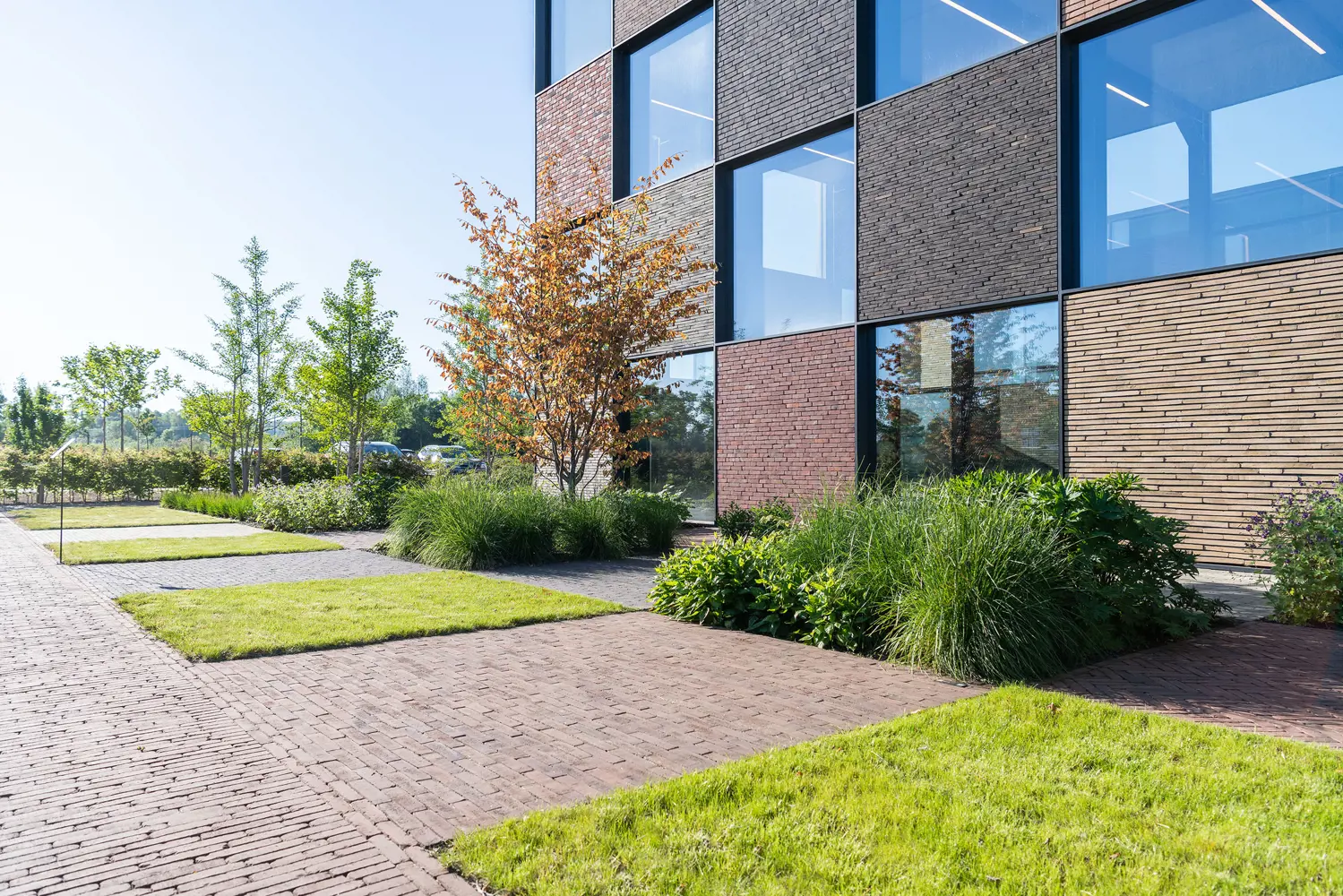
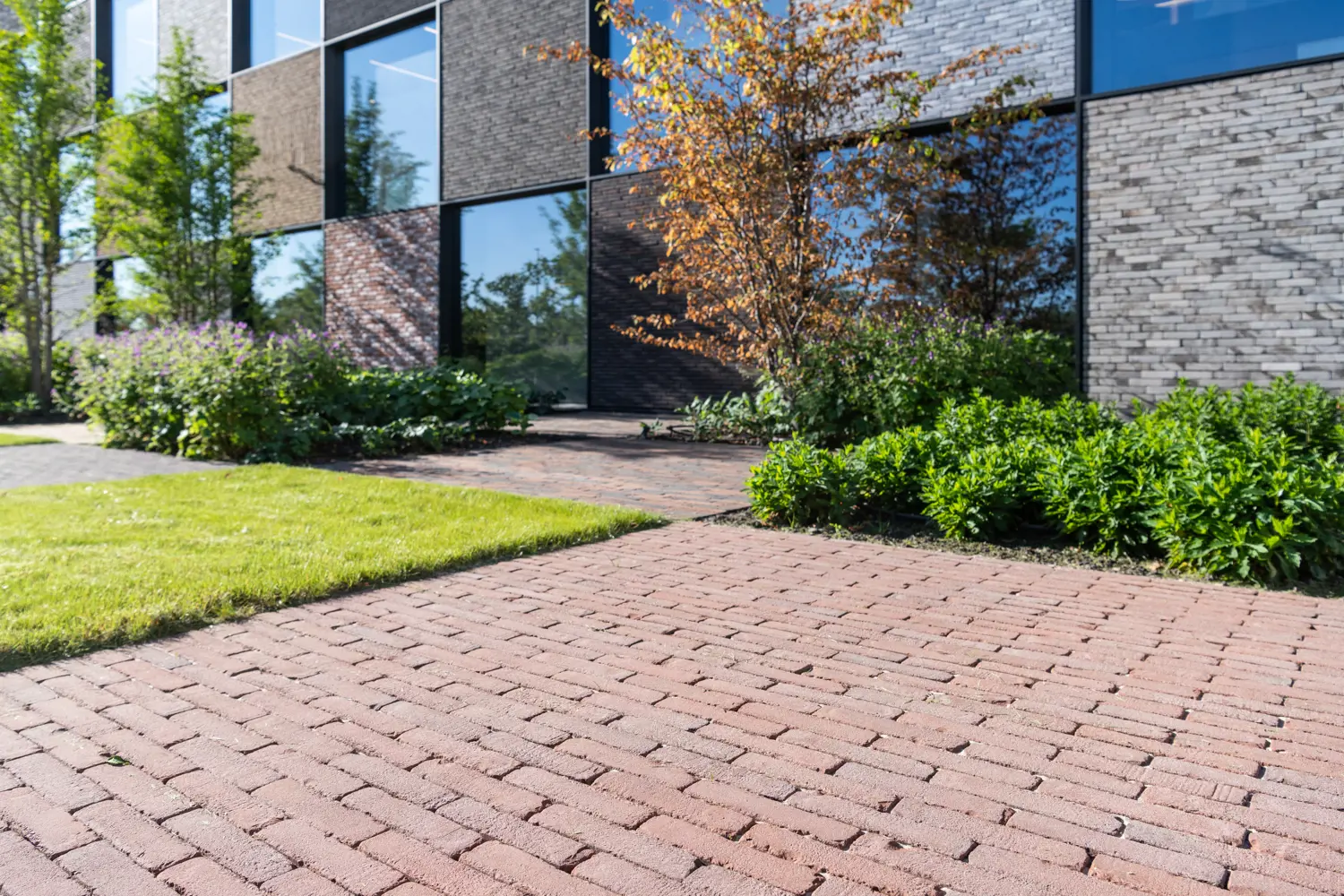
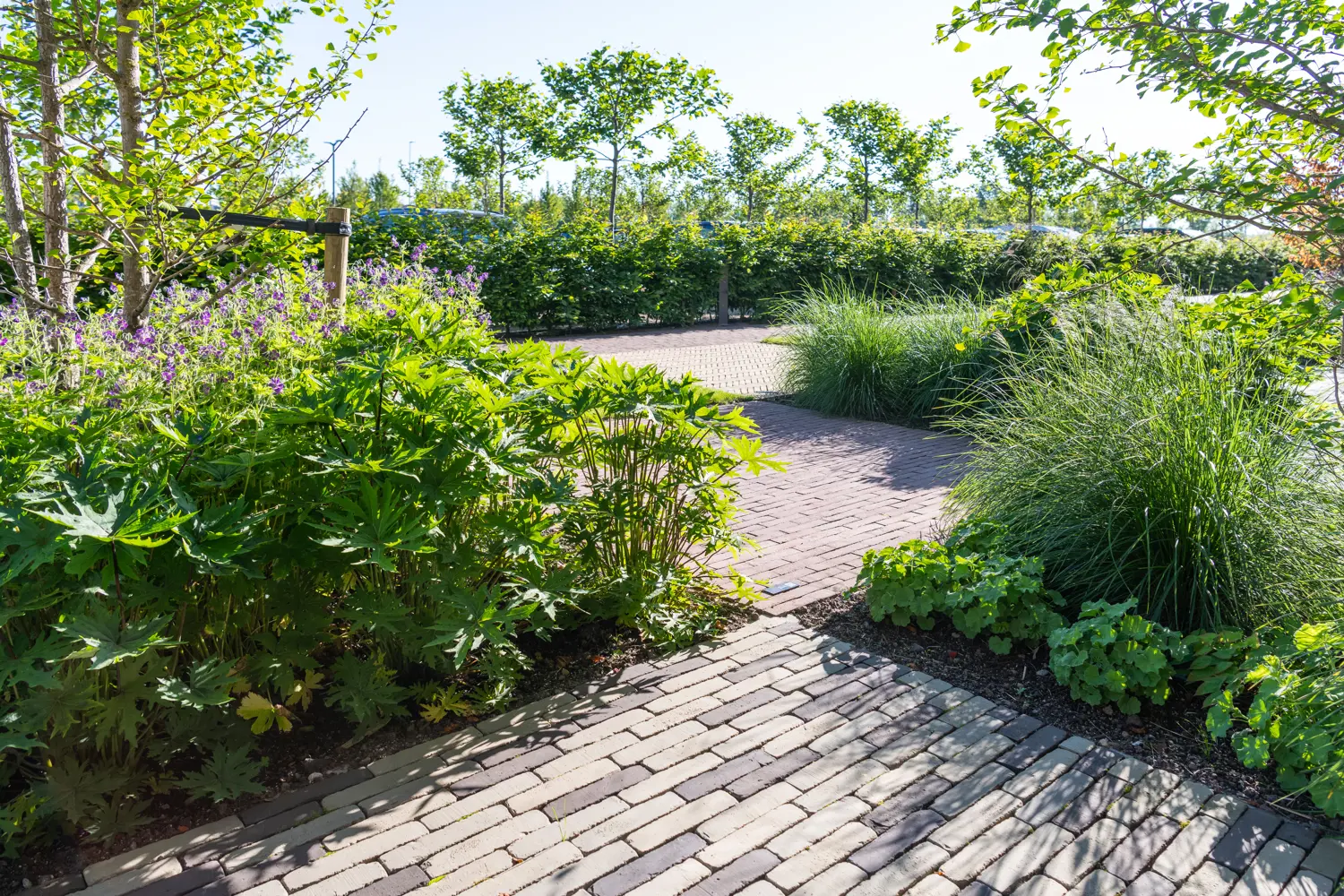
Ceramic facing bricks and fired clay pavers are sustainable and durable because they are made of fully natural, renewable raw materials, such as clay, sand and minerals. What's more, their long service life means their environmental impact is strikingly low. We source our clay locally and responsibly, keeping transport limited and minimising environmental impact. We also reuse secondary raw materials from construction and infrastructure works to reduce virgin material use and cut back transport emissions. After excavation, clay quarries are repurposed with a view to promoting nature inclusivity and biodiversity. Finally, Vande Moortel is also a strong proponent of and participant in Green Deals, demonstrating its commitment to circular innovation and greening the places where we work and live.
Responsible Production Through a Circular Approach
Ceramic facing bricks and clay pavers are ideally suited to circular construction because both secondary raw materials and the products themselves can be reused. Almost half of the raw materials used in production are recovered from construction and infrastructure projects, while the new Circular Brick demonstrates how entirely new bricks can be produced from 100% non-virgin materials. Finished products can also enjoy a second life through primary circularity, whereby reclaimed bricks and reused clay pavers are incorporated into renovation and new-build projects. When reuse in their original form is no longer possible, bricks can be processed through urban mining and reused as a sub-base, drainage layer or in other valuable applications. Finally, circularity is further enhanced through research into demountable masonry and through the exclusive use of recovered rainwater in the production process.


Driving chain optimisation through product innovation.
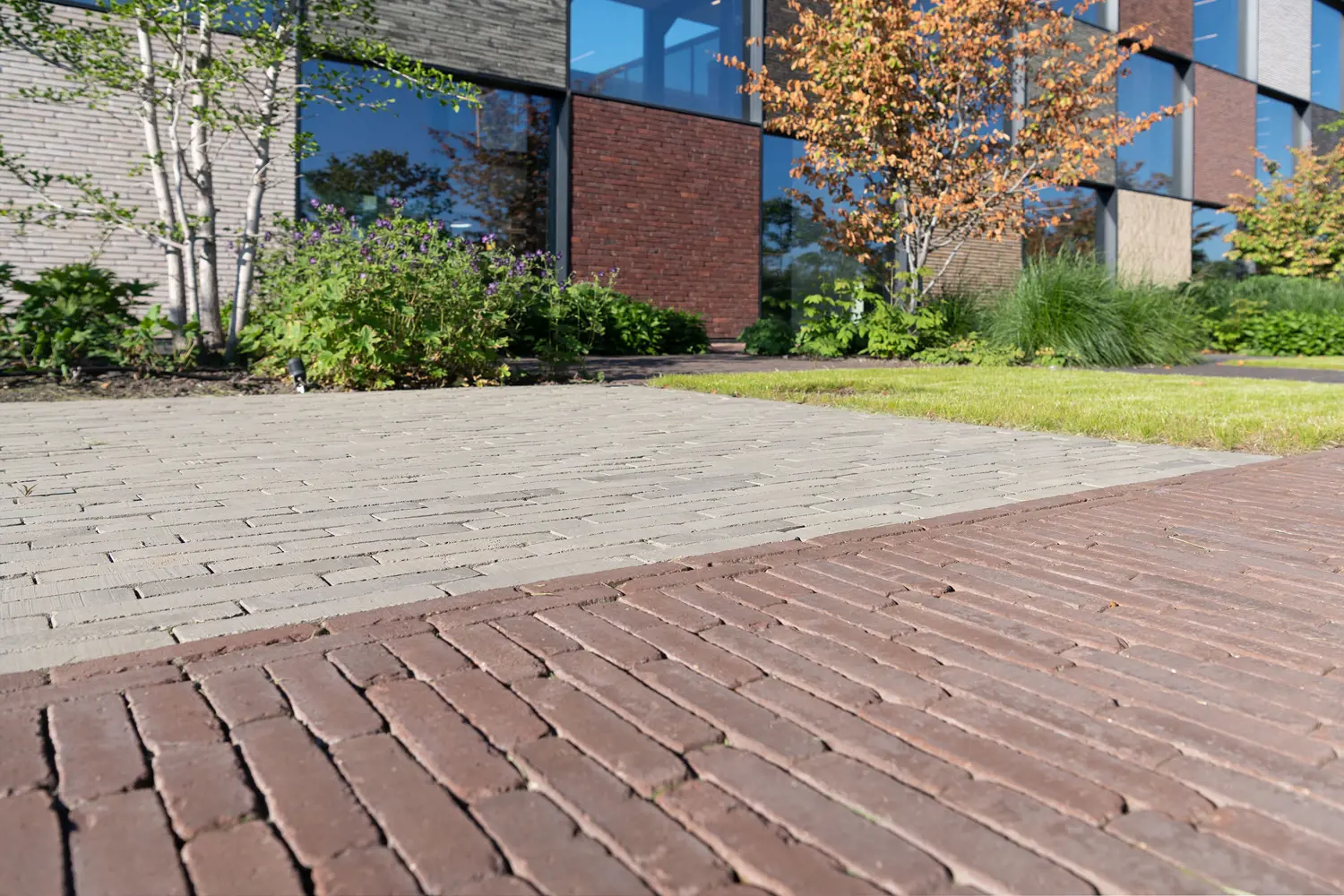
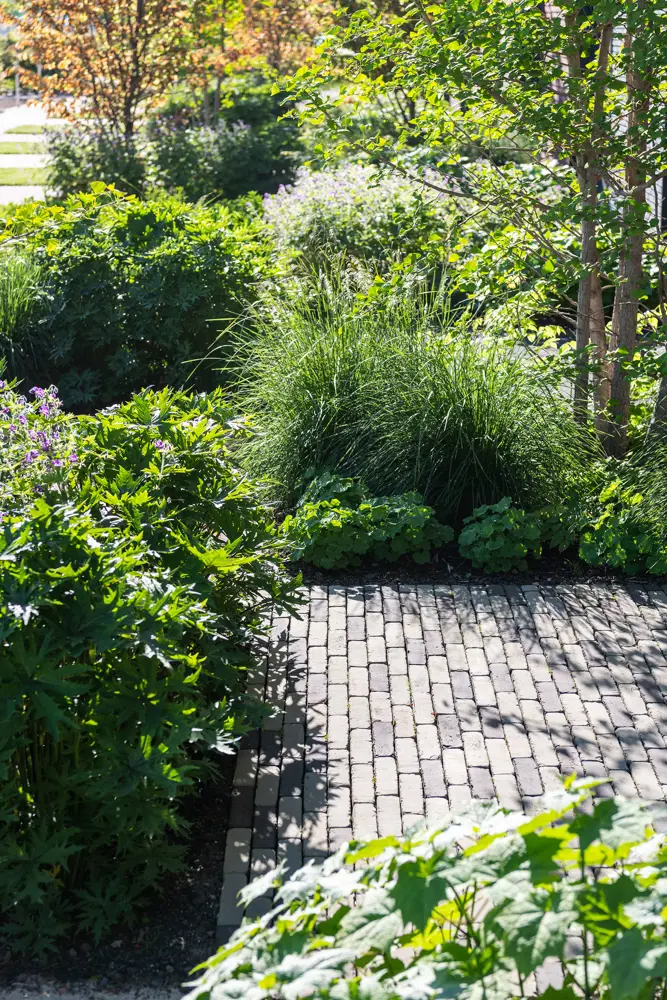
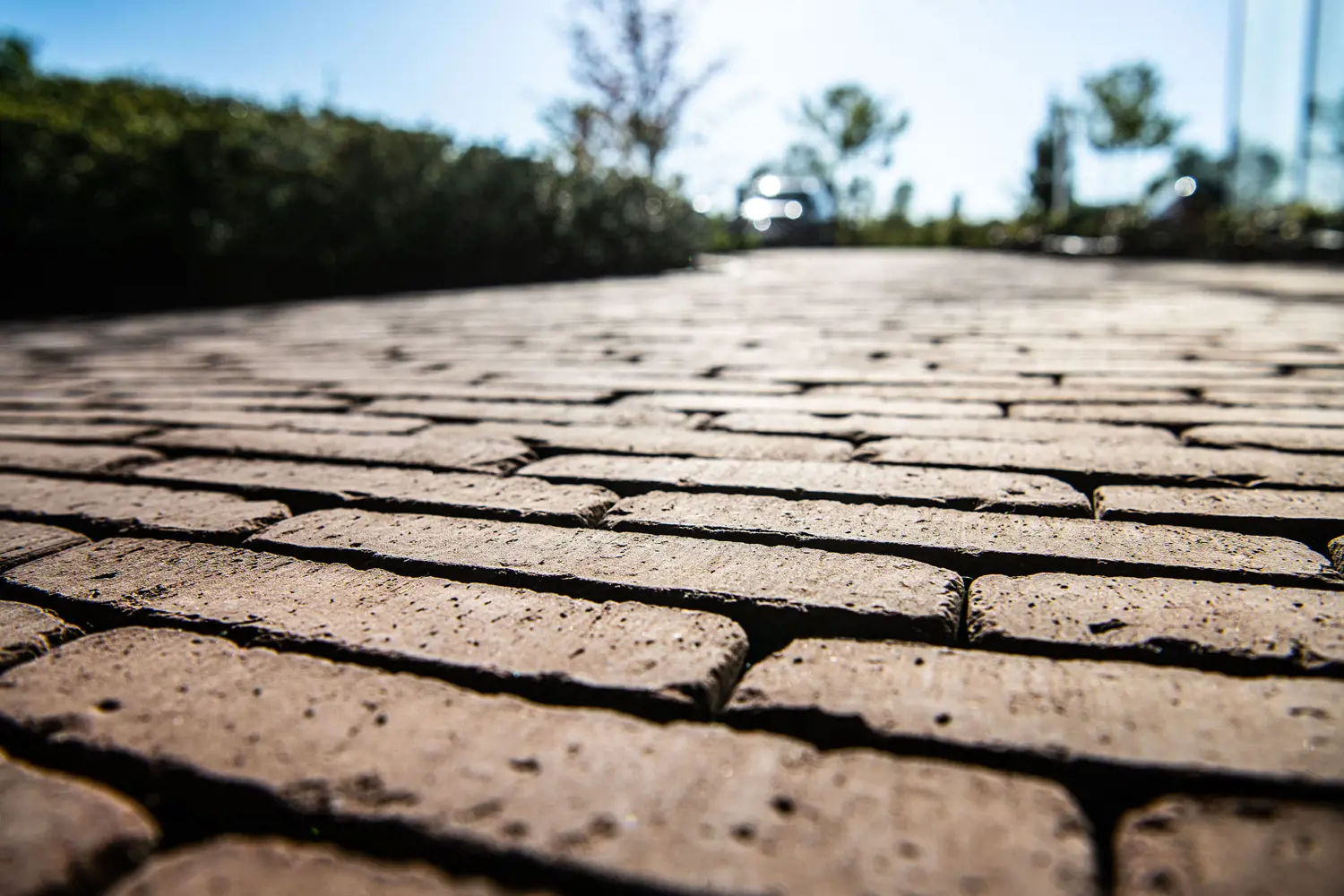
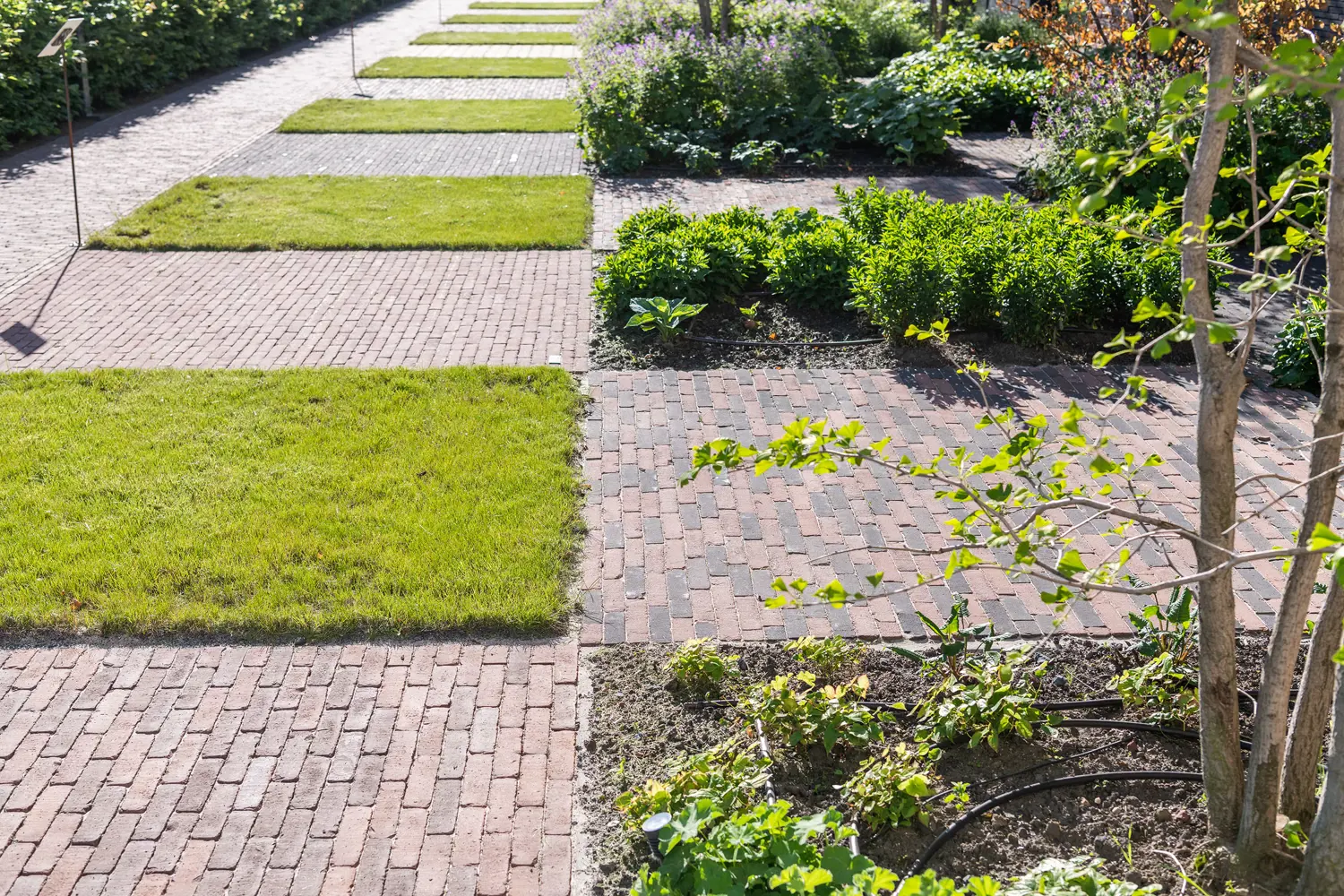
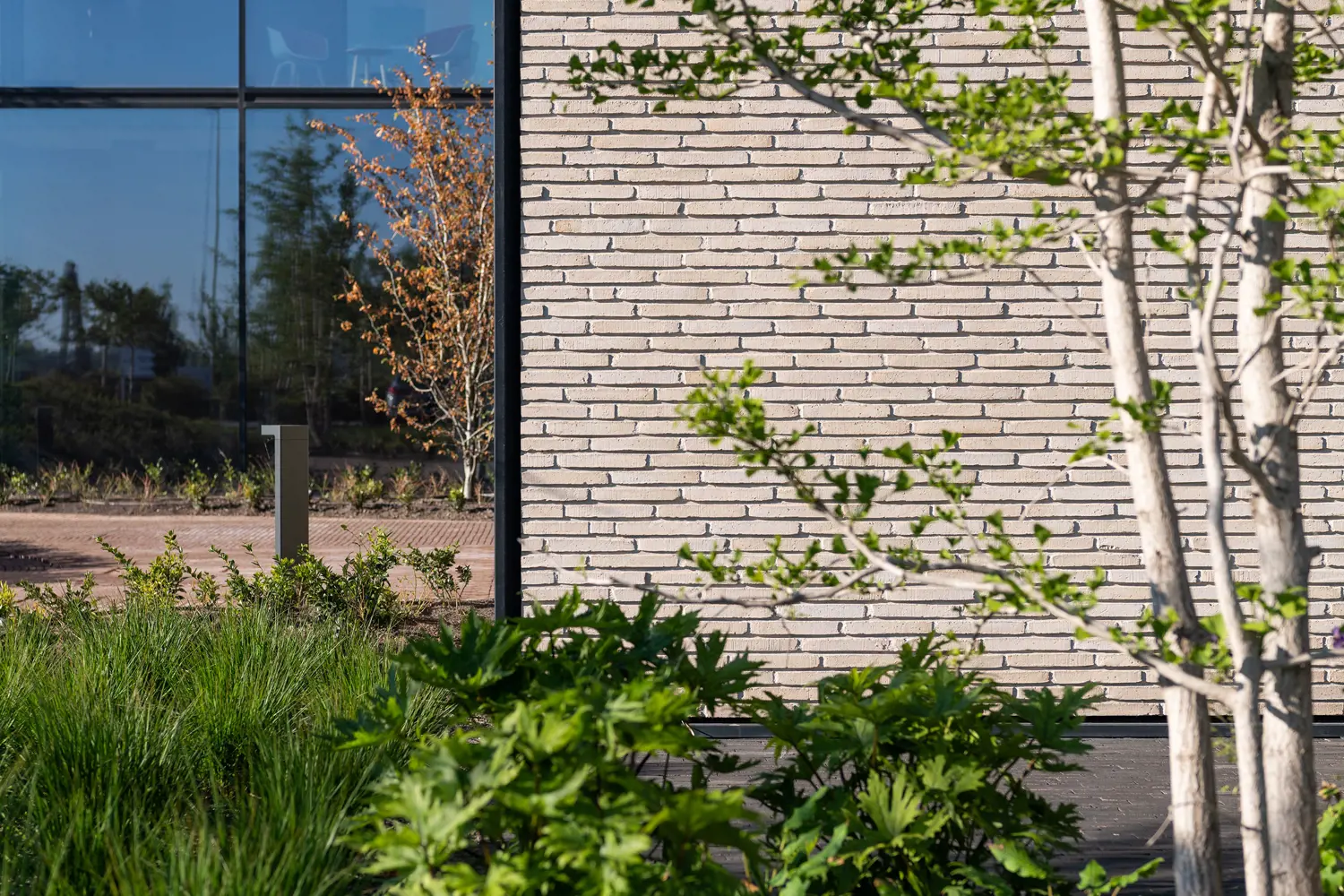
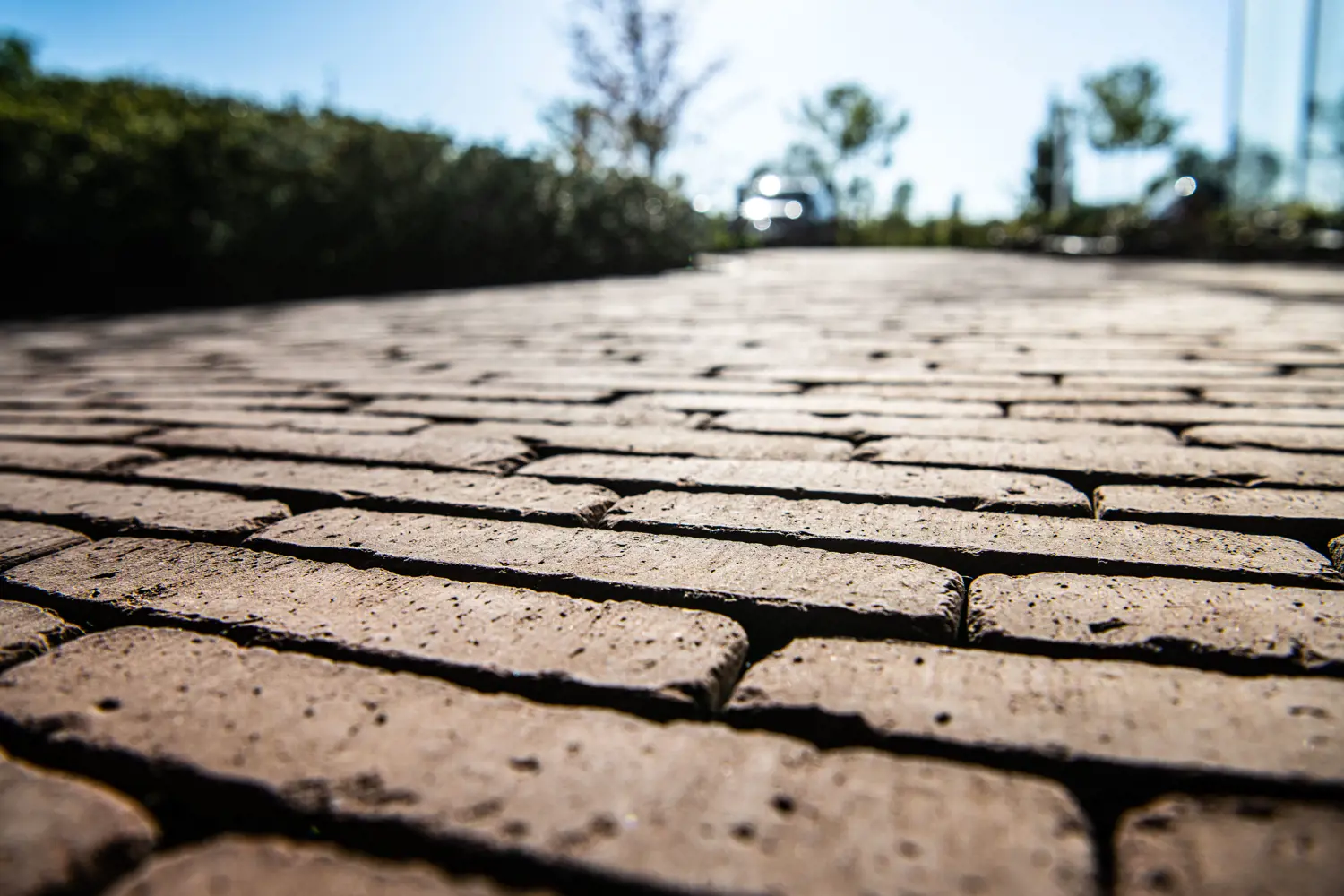
Vande Moortel optimises the entire value chain through innovative product developments such as the ECO-7-size, which delivers a significant environmental and transport benefit with 30% lower raw material consumption and CO₂ emissions, without compromising on quality. These slim bricks not only improve the sustainability of production but also offer advantages in installation, insulation and construction, enhancing the environmental performance of buildings. Through continuous material optimisation and the use of high-quality clay, Vande Moortel's facing bricks and clay pavers achieve a service life of more than 160 years, supported by quality certifications such as BENOR. Innovations such as H2O Natural Clay Paving strengthen the climate-adaptive function of paved surfaces by allowing rainwater to infiltrate locally. Finally, the Circular Brick demonstrates how recovered raw materials can be used entirely in the manufacture of new products, making circularity an integral part of the value chain.
Greening the production process, with the aim of reducing CO2 emissions.
Vande Moortel significantly reduces CO₂ emissions through substantial investment in modern, energy-efficient tunnel kilns that consume less energy, while maximising the reuse of residual heat from the firing process in its drying chambers. Thanks to this heat recovery system, only a fraction of additional energy is required, considerably reducing overall consumption. The production process is also becoming increasingly sustainable through the installation of 3,253 solar panels, which already cover 18% of electricity consumption and are expected to account for at least 25% in the future. In addition, wind and hydropower are being explored to further increase the share of renewable energy. Finally, the company’s private unloading quay enables transport via the River Scheldt, eliminating thousands of lorry journeys each year and further reducing the company’s environmental footprint.

