

Reduction of energy and CO2 emissions during the baking process thanks to new kilns
The brickworks undertook an intensive investment programme to renew its kilns. Optimisation was carried out towards efficient tunnel kilns that consume less energy without compromising the quality of the facing bricks and clay pavers. Two older kilns have been replaced, while two others have undergone a complete refurbishment. The energy demand was thus optimised and spectacularly reduced.
Drying kilns with heat recovery
The residual heat released during the firing process is utilised to the maximum in the drying kilns, where the pressed facing bricks and clay pavers are naturally dried using the recovered heat. Thanks to the reuse of heat from the kilns, the drying chambers can be heated to 60°C, meaning that only 20% additional energy is required to reach the remaining temperature.
Sun, wind and water: renewable energy
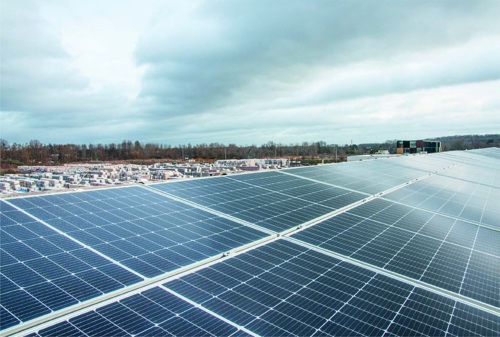
At the beginning of 2021, the installation of 2248 solar panels on top of the production halls was completed. At the beginning of 2024, we installed another 1005 new solar panels, with the result that we now make optimal use of solar energy. Together, they provide a peak generating capacity of 1,307.3 kWp and produce approximately 1,255 MWh of electricity annually, equivalent to the combined annual consumption of around 360 Flemish households.
“Today, around 18% of our electricity consumption is covered by solar power, and in the short term we aim to increase this to 25% or more,” says Peter Vande Moortel. "The more genuinely renewable energy we can generate, the better. We are looking at the sun, wind and water for this. There will most definitely be additional solar panels in the future, but there are also possibilities in the areas of wind and water. We are developing all options and will implement them step by step. It always requires a great deal of effort from our company, but both we and the environment benefit."
“Our goal should be to use renewable energy wherever possible.” – Peter Vande Moortel
Water transport reduces the ecological footprint
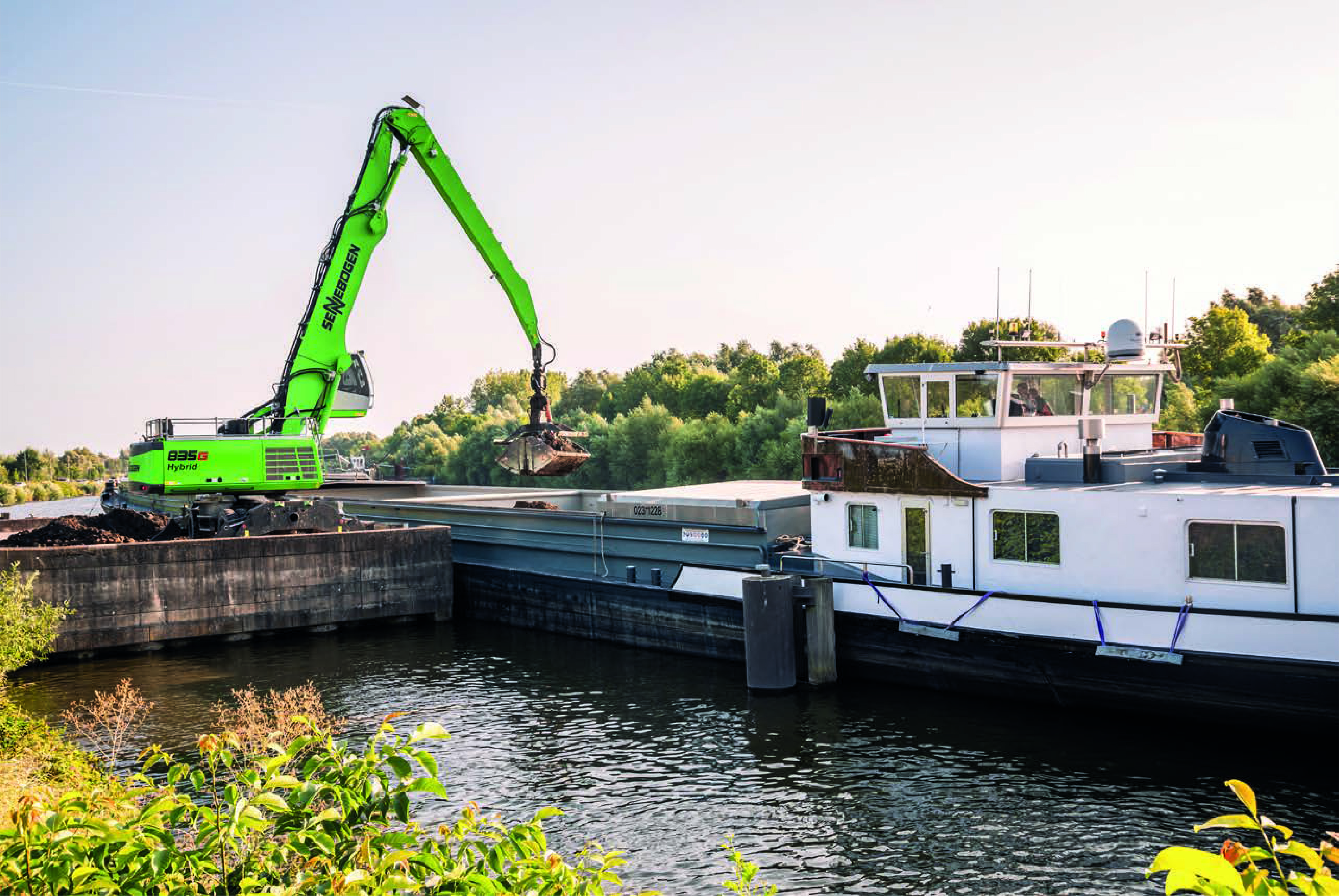
In consultation with the local authorities and De Vlaamse Waterweg (Flemish Waterway Authority), our own unloading quay was constructed in 2010 thanks to an effective investment. Since then, all transport has been carried out over the water on the Scheldt, saving the use of 3,000 trucks annually. Approximately 75,000 tonnes of goods are transported annually via inland shipping. All raw materials purchased externally by the brickworks are always transported via water transport. In addition to reducing the burden on roads and avoiding traffic jams, transport is made more sustainable and the ecological footprint is reduced.