


Dematerialisation thanks to an eco-slim format with a broad environmental impact – ECO-7-size
In 2004, Vande Moortel launched one of its most significant product innovations, substantially reducing the CO2 emissions from the production of facing bricks and clay pavers. The brickworks was the very first manufacturer to switch from a façade brick with the traditional 10 cm thickness to 7 cm, which we now call the ECO-7-size format. This led us to become the first to produce the traditional Waal format at 7 cm instead of 10 cm, followed by other formats such as the Linea façade brick and the Rijn format clay pavers Ancienne Belgique.
Thanks to this innovation, mining and production days are saved, CO2 emissions during production are reduced by an impressive 30%, and transport is significantly reduced. As a result of this reduction, the brickworks has already avoided 65,000 tonnes of CO₂ emissions over the past 20 years. Only in recent years has this format been adopted by competitors. If all manufacturers follow this example and switch entirely to the ECO-7-size format, the industry would collectively save as much as 100,000 tonnes of CO2 emissions per year in Belgium. If the neighbouring countries were to follow suit, the result would be even more effective. This ecological format of facing brick can also be used with all traditional methods, ensuring its circular character is maintained. Moreover, this format experiences no loss of quality compared to the traditional formats, thereby ensuring a long service life.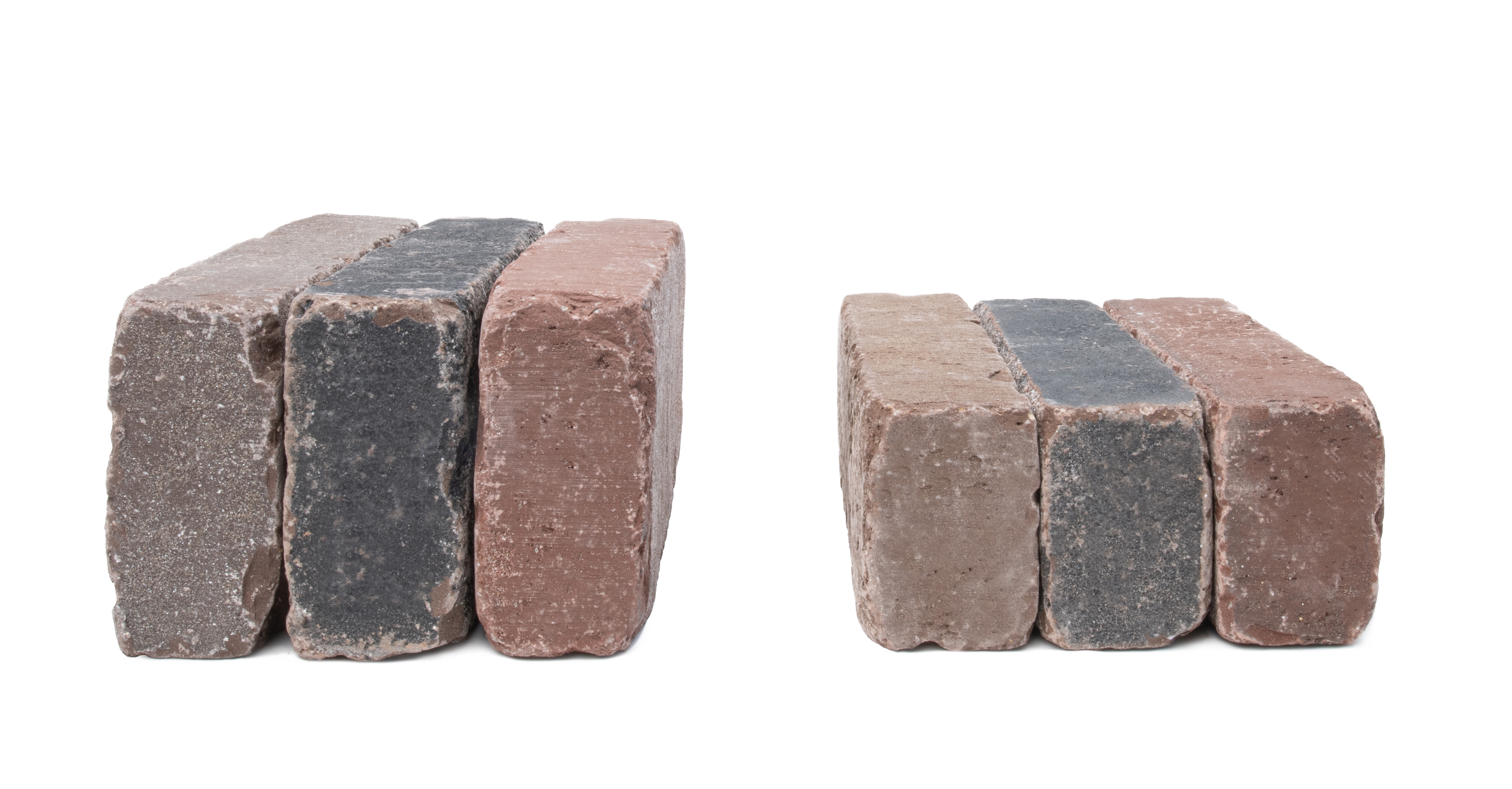
The ecological ECO-7-size format is also used for clay bricks, offering the same ecological and sustainable benefits. This small-scale hardening material can also be used permeably, and can be reused multiple times in the ecologically optimised format without any loss of quality.
We are constantly expanding the entire product line with the ecological ECO-7-size format; last year we launched the Ancienne Belgique 7 clay paver, meaning that today the entire range of clay pavers is offered in this format. The selection in the ECO-7-size is now also available on nearly the full range of facing bricks, thanks to the launch of the linea7 Hand-Made collection. The linea Hand-Made collection in the traditional format is thus being converted to the ecological format The number of products in this format grows larger every year. The brickworks' objective is to now offer all products in the Belgian range in ECO-7, and to gradually realise this transition in export markets as well.
Advantages of the ECO-7-size
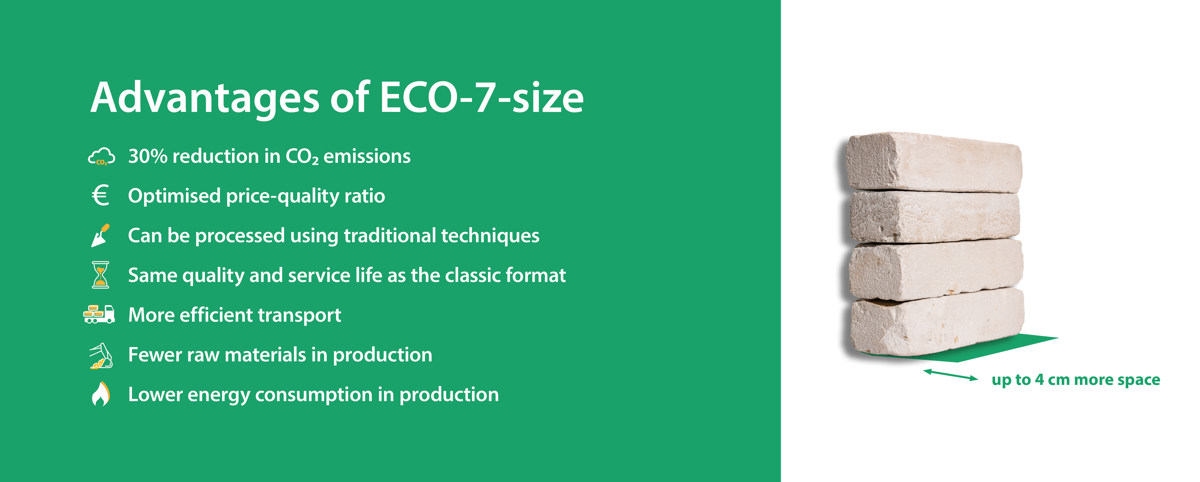
According to the Royal Dutch Building Ceramics Association (Dutch: Koninklijke Nederlandse Bouwkeramiek, KNB), these ecological slim bricks, with a width of 65 to 75 mm instead of the usual 100 mm, offer significant advantages in terms of sustainability, aesthetics and construction. They state that slim bricks reduce the environmental cost indicator (Dutch: milieukostenindicator, MKI) by up to 35% compared to traditional bricks, thanks to the reduced use of raw materials and energy during production and transport. Furthermore, the slimmer brick provides additional space for insulation, leading to better thermal performance for buildings. The lower weight also reduces the load on façade supports and foundations, decreasing physical strain for bricklayers. The Royal Dutch Building Ceramics Association emphasises that slim brick façades offer a sustainable and aesthetically attractive alternative to traditional façade constructions, with practical benefits for designers, structural engineers and contractors.
Service life of more than 160 years thanks to high-quality raw materials and continuous product optimisation
Thanks to responsible material use of high-quality raw materials and a continuous process of product optimisation, the facing bricks and clay pavers meet the highest quality standards and have a service life of more than 160 years. They are durable, and stand up against the test of time and various environmental factors. The strength and robustness of Vande Moortel bricks make them essential for solid constructions. Besides aesthetics and sustainability, there is a strong focus on quality. The bricks, produced in Oudenaarde, consistently meet the highest quality standards. The bricks standardly perform above the Belgian standards, which are among the strictest in the world. For instance, the clay pavers absorb very little water and the facing bricks have a high compressive strength. In addition to the mandatory CE marking and the DoP (Declaration of Performance), we also award our products the BENOR label. This voluntary quality label is awarded to products that meet specific technical requirements and standards in Belgium, and provides independent and reliable certification for construction products with specific technical properties.
Clay pavers moreover undergo a specific production process, resulting in a harder material with higher abrasion resistance and low water absorption. This forms the clay paver into a durable material capable of withstanding higher loads and horizontal use, making them suitable for car parks and paving. The very low water absorption of class A and A+ pavers means they absorb little moisture, reducing the risk of greening and frost damage.
Water permeability with H2O Natural Clay Paving
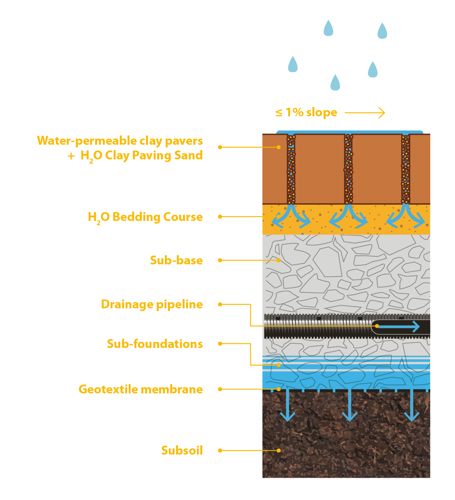
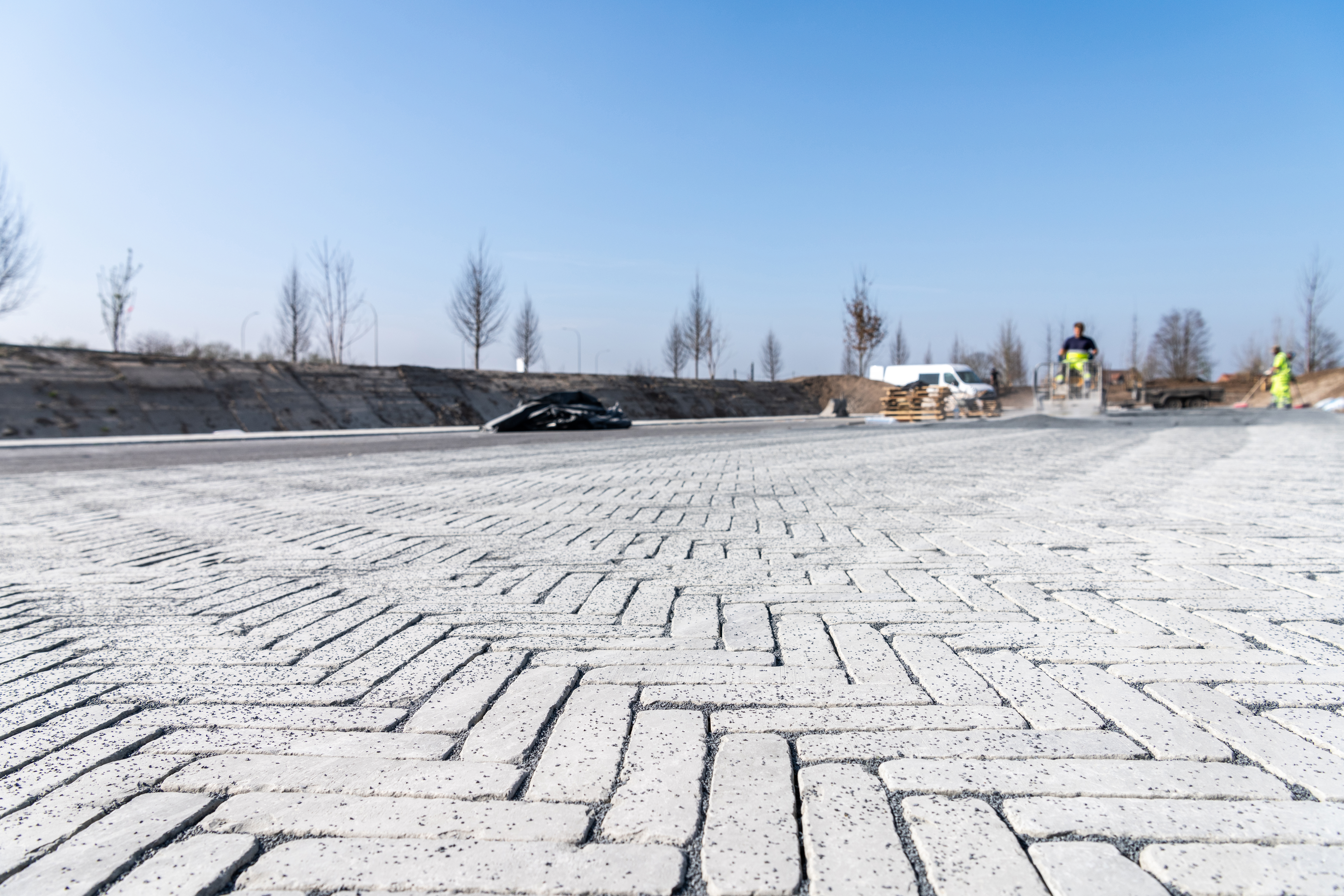
With the innovative H2O Natural Clay Paving principle, we introduced a water-permeable paving technique that can be combined with any clay paver from the range. This principle allows rainwater to infiltrate on site. All Vande Moortel clay pavers are suitable for water-permeable paving, thanks to their specific natural character and quality characteristics. In combination with the correct joint filling, our clay pavers provide sufficient space for rainwater to infiltrate into the sub-base via the traditional, natural joints between the clay pavers. To this end, H2O Natural Clay Paving sand was created. This strong, durable and water-permeable joint filling, compliant with current regulations and the OCW recommendation, allows rainwater to infiltrate on site. The water-permeable paving and foundation drain the water slowly into the subsoil. This relieves the sewage system, and also maintains the groundwater level. The complete pavement construction results in a minimum water permeability capacity of 5.4 x 10⁻⁵ m/s.
Since June 2026, this method has been included in the Flemish list of water-permeable pavements (Vlaamse lijst van waterdoorlatende verhardingen). This means that, for residential plots and dwellings, it can be considered a water-permeable pavement, and can therefore be eligible for subventions.
Use of recovered raw materials: Circular Brick
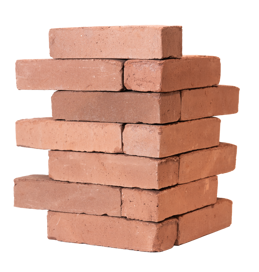
To mark its 160th anniversary, Vande Moortel launched its Circular Brick, in 2024. This category is a prime example of the circular economy and responsible material use within the industry. This circular facing brick promotes circularity through the recycling and reuse of secondary raw materials, enabling the production of an entirely new facing brick. The concept partially grew out of participation in the Circular Construction Green Deal. For this facing brick, a specific batch is produced exclusively from available unextracted raw materials. This production therefore consists 100% of raw materials originating from our own residual flows, infrastructure works or other production units. The colour, composition and quantity of bricks are thus fully determined by the secondary raw materials available at that particular time.
